


Exfoliation Syndrome
Your eyes perform countless microscopic maintenance tasks every day, but sometimes this natural process goes awry, creating a silent threat that resembles snowflakes accumulating inside your eye. Pseudoexfoliation disrupts your eye’s normal protein production, causing the deposition of white, dandruff-like material on critical structures that can gradually steal your vision without warning.
At Vision Source Mandan, our experienced team of optometrists recognizes that North Dakota residents with Scandinavian and Northern European heritage face a higher risk of developing exfoliation syndrome. We utilize advanced diagnostic technology and comprehensive examination techniques to detect these telltale protein deposits before they compromise your eye’s drainage system or lead to vision-threatening complications, ensuring your eye health receives the proactive care it deserves.
What is Exfoliation Syndrome?
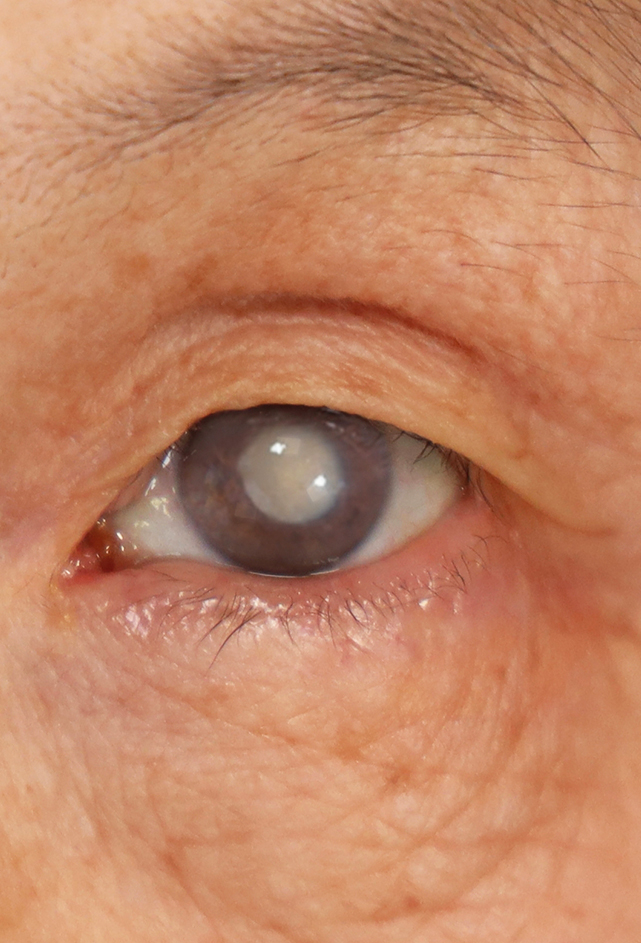
Pseudoexfoliation syndrome occurs when your body produces abnormal protein fibers that deposit throughout various eye structures. These microscopic deposits appear as white or grayish flakes on the lens surface, pupillary border, and ciliary body. While the exact cause remains unknown, research suggests that genetic factors and environmental influences may contribute to its development.
This deceptive condition affects nearly one in three people over age 60 worldwide, yet most individuals remain completely unaware until complications like glaucoma have already begun damaging their sight. Exfoliation syndrome is more common in certain populations, including people of Scandinavian, Mediterranean, and Middle Eastern descent. In North Dakota communities like Mandan, where many residents have Northern European ancestry, awareness of this condition becomes particularly important.


Recognizing the Signs and Symptoms
Most people with exfoliation syndrome experience no symptoms during the early stages, making regular comprehensive eye exams crucial for detection. When symptoms do occur, they may include:
Gradual changes in vision
Increased sensitivity to bright light
Difficulty seeing in low-light conditions
During your eye examination, our optometrists look for characteristic signs, including flakes released from the iris rubbing against the lens surface, irregularities in the pupillary border, and increased pigment dispersion in the anterior chamber. These findings often appear subtle initially but become more pronounced as the condition progresses.
The accumulation of exfoliative material can affect multiple eye structures simultaneously. Your iris may show areas of thinning or pigment release, while the lens capsule develops a distinctive pattern along its surface. These changes can affect the eye’s natural drainage system, resulting in increased intraocular pressure.se changes can affect the eye’s natural drainage system, resulting in increased intraocular pressure.
Potential Complications and Risks
The most significant concern associated with exfoliation syndrome is its strong connection to glaucoma development. When exfoliative deposits block the eye’s drainage channels, fluid pressure builds up inside the eye, potentially damaging the optic nerve over time. This type of glaucoma, called exfoliative glaucoma, often progresses more rapidly than other forms and may be more difficult to control.
Cataract formation also occurs more frequently in eyes with exfoliation syndrome. The abnormal protein deposits can accelerate lens clouding, leading to earlier vision impairment. Additionally, these deposits may weaken the lens capsule, making cataract surgery more challenging and increasing the risk of complications during the procedure.
Other potential complications include lens dislocation, where weakened supporting structures allow the lens to shift from its normal position. This can cause sudden vision changes and may require immediate medical attention through our emergency eye care services.
Diagnostic Methods and Technology
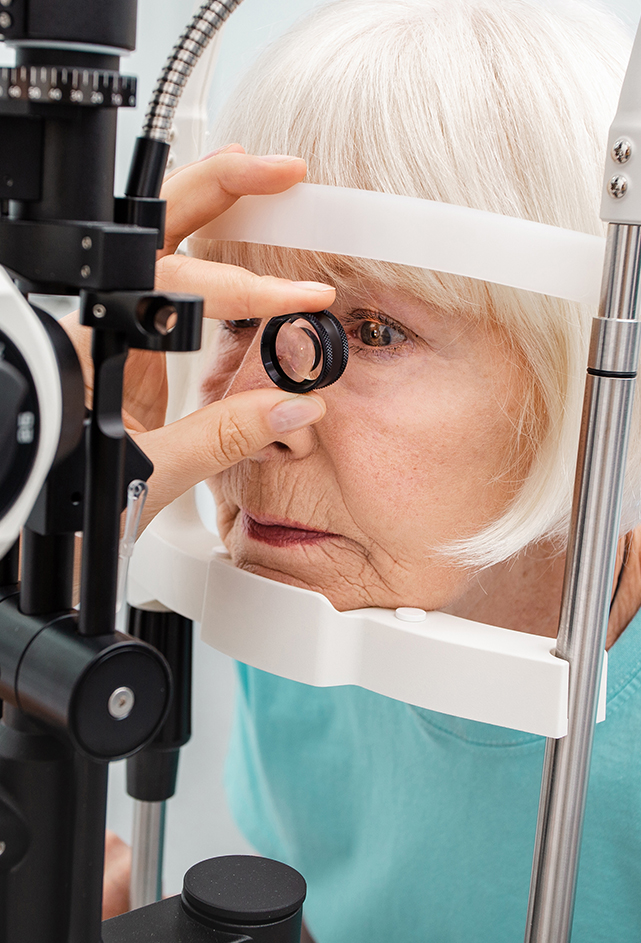
Detecting exfoliation syndrome requires careful examination using specialized equipment and techniques. Our optometrists perform detailed slit-lamp examinations to visualize the anterior segment of your eye, looking for characteristic deposits and structural changes associated with the condition.
Pupil dilation allows us to examine the lens surface more thoroughly and assess the extent of exfoliative material accumulation. We also measure intraocular pressure to determine if drainage problems have developed, and may perform additional tests to evaluate your optic nerve health.
Advanced imaging technology helps document changes over time and monitor progression. Digital photography allows us to capture detailed images of affected structures, providing valuable reference points for future examinations and treatment planning.
Treatment and Management Strategies
Effective pseudoexfoliation management focuses on preventing complications and preserving vision. Regular monitoring becomes essential, as the condition can progress unpredictably and may accelerate without warning signs.
If elevated eye pressure develops, various treatment options are available to lower intraocular pressure and protect your optic nerve. Prescription eye drops often serve as the first line of treatment, working to either reduce fluid production or improve drainage from the eye.
For patients requiring cataract surgery, special precautions and techniques help ensure successful outcomes despite the challenges posed by exfoliative deposits. While we don’t perform surgery at our practice, our experienced team coordinates with surgical specialists when advanced interventions become necessary.

Trust Vision Source Mandan
for Your Eye Health
At Vision Source Mandan, we combine decades of experience with cutting-edge technology to provide comprehensive eye care for our community. Our skilled optometrists, Dr. Brittany Schauer, Dr. Danielle Dyke, and Dr. Wayne Aberle, understand the complexities of exfoliation syndrome and work diligently to preserve your vision through early detection and personalized treatment plans.
As part of the respected Vision Source network, we have access to the latest advancements in eye care technology and treatment options. Our commitment to building trusted, long-term relationships ensures your eye health remains our top priority throughout your care journey. Contact us today at (701) 800-7501 or complete our online contact form to discuss your vision concerns and learn more about protecting your eye health.
Testimonials
What Our Clients Say

My annual eye exam is always an excellent experience with Dr. Danielle Dyke. The exam is always thorough, and Dr. Dyke takes the time to explain my eye health in a way I can understand. The Vision Source eye clinic is modern, clean, and the staff is very welcoming. I always feel comfortable and well-cared for at my appointment. I highly recommend Dr. Dyke and Vision Source!
Patricia G.
Dr. Schauer did an amazing job getting my eye infection cleared up. As I sat in my room waiting my turn, because I had a last minute appointment, I could hear her working with a family next door that had young kids.
Fred S.
Whenever I have had eye issues, they have made efforts to get me in asap. Which I really appreciate. I have had Dr. Aberle and Dr. Dyke and they are both excellent. Recently, I saw Dr. Aberle for a chronic eye problem in one eye & he fixed the problem. Honestly, it felt like a miracle. The office staff is also very pleasant to deal with.
Sheila S.
I've literally been a lifelong customer since 5th grade when it was Dr. Little! Dr. Schauer has taken over since Dr. Little retired. It's always a good, friendly experience with all of the staff there. I've never had a bad experience.
Bill S.
The front desk people are very nice and friendly got called in to see Wayne before my appointment time Vision Source has very friendly staff and the clinic is very clean will always be a patient to Vision Source.
Deborah C.
I was greeted by the front desk very efficiently. The person who did the first part of my history and did the testing like the little spritz in my eyes, etc, was very good. I really like my eye doctor, I feel that I get all my questions answered as well as she explains what she is seeing when she is examining my eyes.
Dolly A.

Need to Schedule an Appointment?
WE ARE Accepting New Patients
Your vision is precious—trust it to the experienced team at Vision Source Mandan, where we treat you like family
while providing the highest standard of eye care available in the Bismarck-Mandan area.
MAP



Contact Us
Office Hours
Monday 8:00am - 5:00pm
Tuesday 8:00am - 7:00pm
Wednesday 8:00am - 5:00pm
Thursday 8:00am - 5:00pm
Friday 8:00am - 1:00pm
Saturday Closed
Sunday Closed
* We are closed from 12:00 pm - 1:00pm on the 2nd Thursday of each month for a team meeting.
© 2026 Vision Source Mandan. All Rights Reserved. Accessibility Statement - Privacy Policy - Sitemap
Powered by: 