
Patient Education
To learn more about the specific products we offer and conditions we treat, please select one of
the subcategories below and schedule an appointment with your eye care provider.
Pediatric Vision
Myopia
Hyperopia
Astigmatism
Presbyopia
Amblyopia
Strabismus
Dry Eye Syndrome
Foreign Body
Pink Eye
Retinal Trauma
Diabetic Retinopathy
Retinal Vasculopathies
Age-Related Macular Degeneration
Glaucoma
Cataracts
Posterior Vitreous Detachment
Retinal Detachment
Retinoblastoma
Choroidal Melanoma
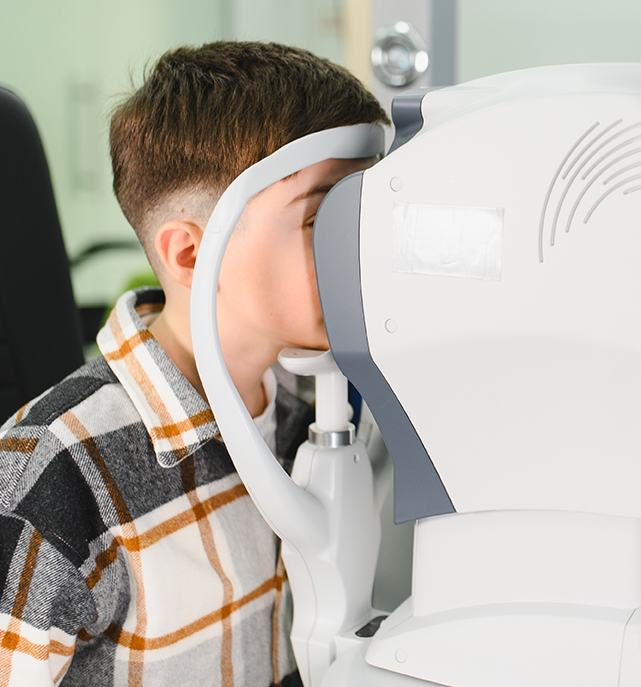
When should my child have their vision checked?
Following the guidelines of the American Optometric Association (AOA), children should have their first eye exam at 6 months of age. This exam can be conducted at no cost through the InfantSEE program. ( www.infantsee.org ) As long as no problems are detected for the first exam, then the child should be checked again at age 3 and again at age 5, or before they start kindergarten. Once the child is school age, exams are recommended every year.
It is important to catch any problems at a young age, so that they can be fixed early. Vision has a “critical window” of development that ranges approximately from ages 3 to 6. If the brain does not receive a perfect clear image from both eyes, then 20/20 vision will not develop in one or both eyes. This is how someone gets a “lazy eye”, or an eye that does not see well even with glasses or contacts. It is important to know that most vision problems (such as “lazy eye”) are preventable with early intervention!

Find out what it means to be nearsighted.
Nearsightedness, or myopia in medical terms, is a refractive error where near objects are seen clearly but distant objects are blurry. This is due to the eye being too long in anatomy and having too much focusing power, which places the image in front of the retina, but not on it. This is why a person with myopia will receive a minus prescription, such as -2.00 diopters.
Learn more
While you might think farsightedness is the opposite of nearsightedness, that is not always the case.
Farsightedness, or known as hyperopia medically, is a refractive condition where distance objects are seen clearly but near objects can be seen as blurry. This is because the eyeball is too short and does not have enough focusing power, which forms the image behind the retina instead. This is why a person with hyperopia will receive a plus prescription, such as +2.00 diopters. It is possible for a young person to “mask” or overcome their hyperopia by increasing the focusing system of the eye, called accommodation. But this can lead to headaches and eyestrain if the effort is extensive to compensate for the farsightedness.
Learn More
A strange word that causes strange effects to your vision.
Astigmatism is also a refractive error, just like hyperopia and myopia, but it has to do with the curvature of the cornea (the clear part on the front of your eye) and the crystalline lens (inside your eye, behind the iris). There are two different curvatures that focus the image in two different places. This makes vision blurry at all distances. A good example is your facial reflection on the backside of a spoon. The flatter longer curve on the spoon (flatter means less focusing power) will stretch your face reflection. While the steeper shorter curve on the spoon (steeper means more focusing power) will squish your face image. This is why a person with astigmatism needs a multiple-numbered prescription such as -2.00 -1.00 x 180 to see clearly.
Learn more
If you need reading glasses to read this, you know what we are talking about.
Presybopia is a natural aging process of the crystalline lens (inside your eye, behind the iris) that controls your focusing system, called accommodation. The lens becomes less flexible around the age of 43 and continues to worsen until about age 55, when the changing levels off. There is no way to prevent presybopia. Bifocals or reading glasses will be necessary to see clearly for near tasks.
Book an Appointment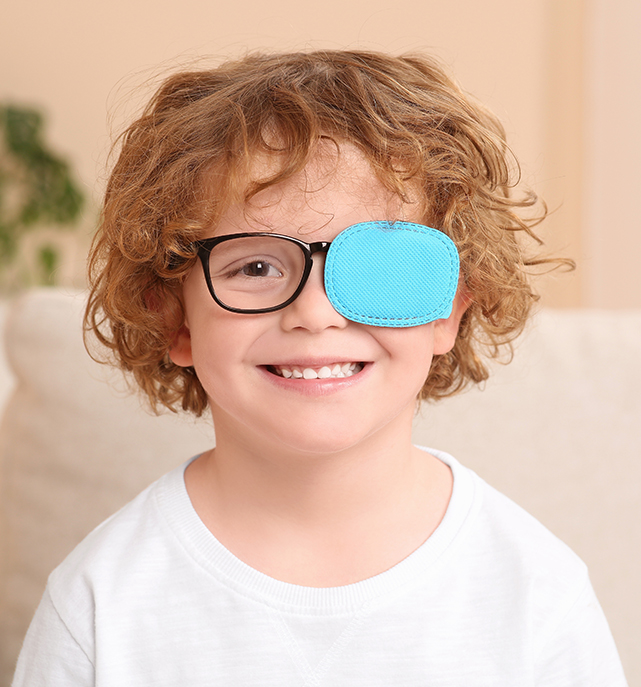
A “lazy eye” is more than just a poor work ethic.
Amblyopia, or “lazy eye”, is a lack of central vision development in one or both eyes that cannot be corrected with eyeglasses or contact lenses. It usually develops before the age of 6 during visual brain development. There are three types: Refractive, strabismic, and occlusive. Refractive amblyopia occurs when one or both eyes has a high prescription that is uncorrected. The child will be unable to see 20/20 because the brain never was able to see clearly during visual development and never learned how to see 20/20. In strabismic amblyopia, one eye turned inward or outward and caused the brain to have double vision. Since this is not pleasant, the brain will just “turn off” the deviating eye. That eye will never learn to see 20/20 if it is not being used. Occlusive amblyopia occurs when something physically blocks the eye such as a congenital cataract or a droopy eyelid. The eye cannot learn to see clearly if it cannot see at all.
Treatment for lazy eye may include a combination of prescription lenses, prisms, vision therapy and eye patching. While results are better if treatment is initiated before age 6 before visual development is complete, it is possible to have improved vision from treatment at any age.

When your eyes do not look at the same thing.
Strabismus occurs when both eyes do not point at the same object at the same time. One eye may turn inward or outward, or it may alternate between the two eyes. Strabismus is usually something you are born with but it can be acquired due to trauma. In cases where strabismus has been present before the age of six, stereopsis or “3D vision” is usually absent because the brain did not learn how to look at an object with both eyes at the same time. Surgery is sometimes indicated to help re-align the deviating eye, as well as vision therapy to encourage both eyes to work together.
Learn more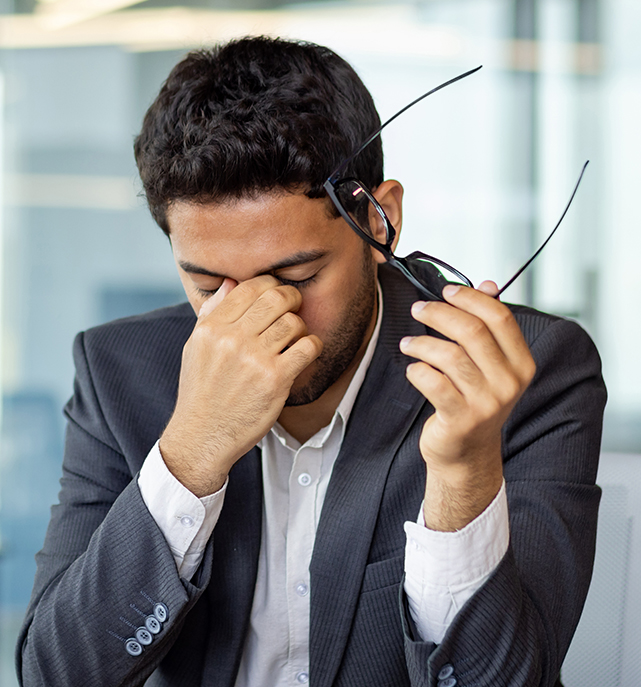
Why are my eyes so uncomfortable?
Dry Eye Syndrome refers to the breakdown in the quantity or quality of tears that moisten, cleanse and protect the eyes. Your tear film is very important because each blink helps to wash away dust and microorganisms as well as nourish and moisturize the cornea. Proper care of the tear film is important to maintain a lifetime of healthy vision!
Many patients do not realize that keratoconjunctivitis sicca (dry eyes!) is actually a medical condition that requires medical treatment. Whether it’s burning, itching, sandy feeling, gritty sensation, tired eyes, blurry vision, or any number of symptoms that patients will experience, you do not need to “settle” with life-long chronic uncomfortable eyes. Some patients will even stop wearing their contact lenses because they are uncomfortable due to dry eyes, which does not have to be the case. There are many different causes of dry eye and determining your specific cause will help your optometrist determine what is the best management program for your individual eyes. Most of the time, dry eyes cannot be “cured”. Instead, the focus is getting your eyes to a comfortable state and then maintaining that level over time.
If you are having trouble with dry eye symptoms, the doctors at Vision Source Mandan can help!
Published in the Bismarck Tribune once a month on the last Thursday
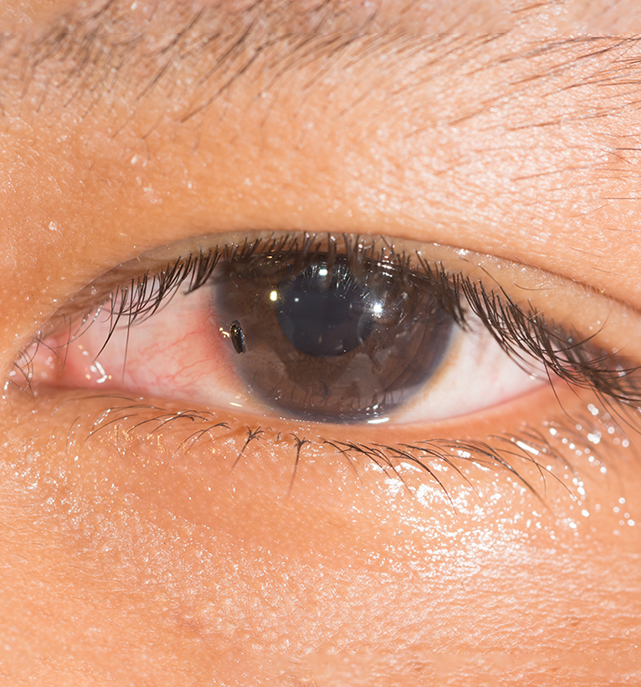
What to do if you get something in your eye.
While the most common foreign body injury is metal, it is possible to get other things into your eye that you just cannot remove without the aid of a microscope and steady, educated hands. If it is indeed metal, it must be removed or else it will continue to rust in your eyes and cause inflammation. If you feel you have gotten something in your eye, please do not hesitate to call us. If it is after business hours, our answering service will direct you to one of our doctors.
And remember: Most injuries to the eye can be prevented by wearing proper safety eyewear.
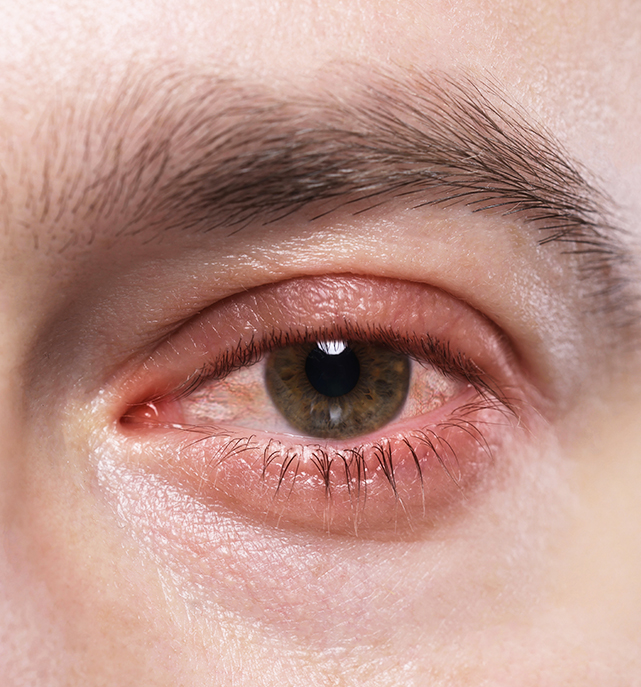
This common eye infection can be treated at Vision Source Mandan!
“Pink Eye” is often a catch-all term for an eye infection but there can be different types of eye infections depending on the cause (virus, bacteria, fungus, parasite, etc). The most common eye infection that we see are usually viral in nature and are usually associated with being sick with the cold or flu. It is very important that the correct medication is used to treat the eye infection. For example, if the infection is not bacterial, then you do not want to treat with an antibiotic. (Antibiotics should always be used with care due to increasing concerns with antibiotic resistance.) Proper diagnosis of eye infections can be made under the view of a microscope and with a trained eye from your optometrist.
If you feel you may be having an eye infection, call our office immediately and we will get you in for a same-day urgent eye visit. Please note that these types of visits are billed to medical insurance and not to vision insurance. If it is after-hours, call our office anyway. Our automated system can direct you to one of our eye doctors.
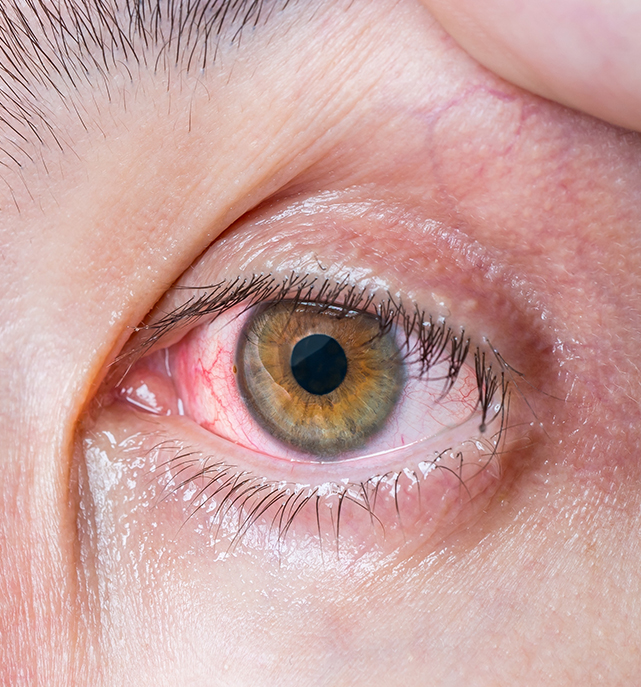
The retina is one of the most important structures in the eye.
Contusions or a “black eye” on the outside can cause damage on the inside of the eye too. If you have experienced ocular trauma, it is best to have a dilated eye examination to check for any retinal tears or hemorrhages that may have formed inside the eye from the force. The retina is the “seeing” part that lines the inside of your eye and it is very delicate and sensitive. Without proper treatment, the damage done can be permanent.
Book an Appointment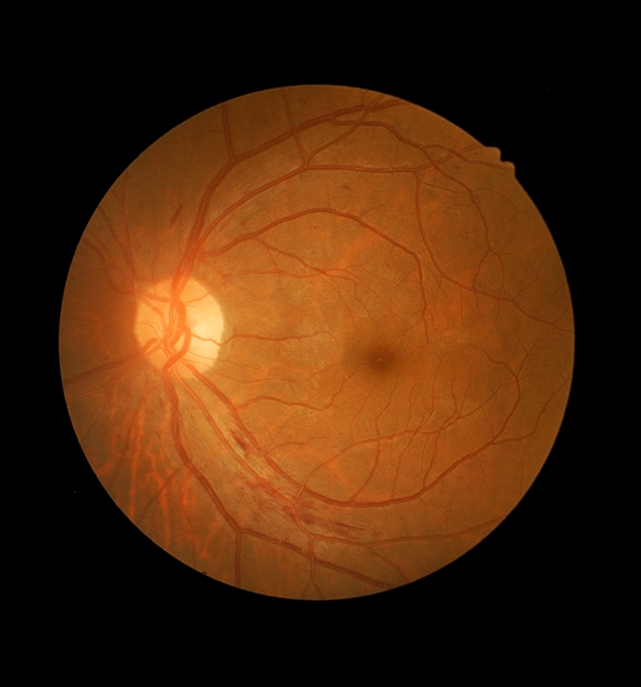
Find out why it is so important to keep your body (and your eyes) healthy.
Diabetic retinopathy is a complication of diabetes and the leading cause of blindness in adults aged 20 to 64 in the United States. Diabetes damages the tiny blood vessels inside your body, including the retina inside your eye, usually related to poor control or to the length of time you have had diabetes. The blood vessels become “leaky” and leak blood and proteins into the retina. These fluids are toxic to the retina. If not controlled, diabetic retinopathy can lead to blindness. Yearly dilated eye examinations can help detect the onset of diabetic retinopathy as well as maintaining proper control with your diabetic doctor.
Learn More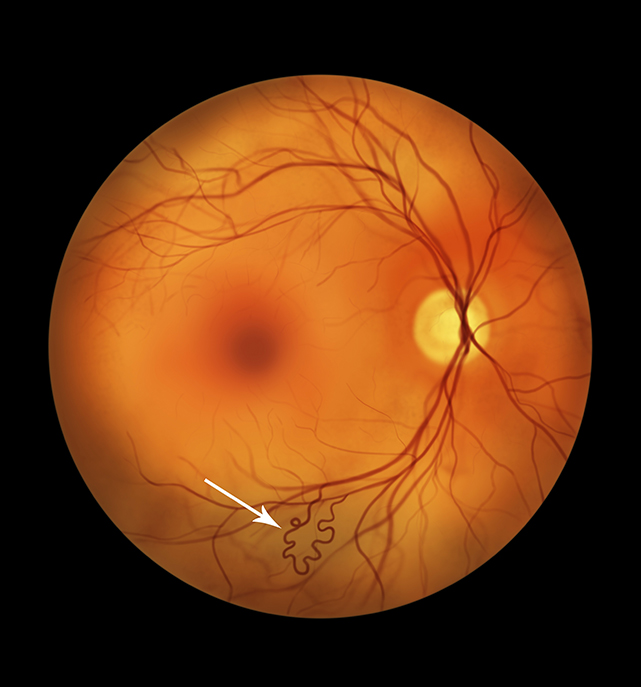
Did you know that high blood pressure can affect the inside of your eye?
The majority of patients with vascular problems in the retina will also have systemic problems such as hypertension (high blood pressure), chronic open-angle glaucoma, diabetes, atherosclerosis (hardening of the arteries), and high cholesterol. An artery occlusion usually occurs due to an embolus (clot) in the blood stream while a vein occlusion usually occurs due to a thrombus (non-moving clot) that has formed in the vein due to blood turbulance. The retina is very sensitive to the oxygen supply it receives from the bloodstream, and can be permanently damaged quickly. Most artery or vein occlusions do not have any pain associated with them but are characterized by sudden and severe vision loss. If you ever experience a loss in your vision, even for brief seconds, you should always see your eye doctor.
Book an Appointment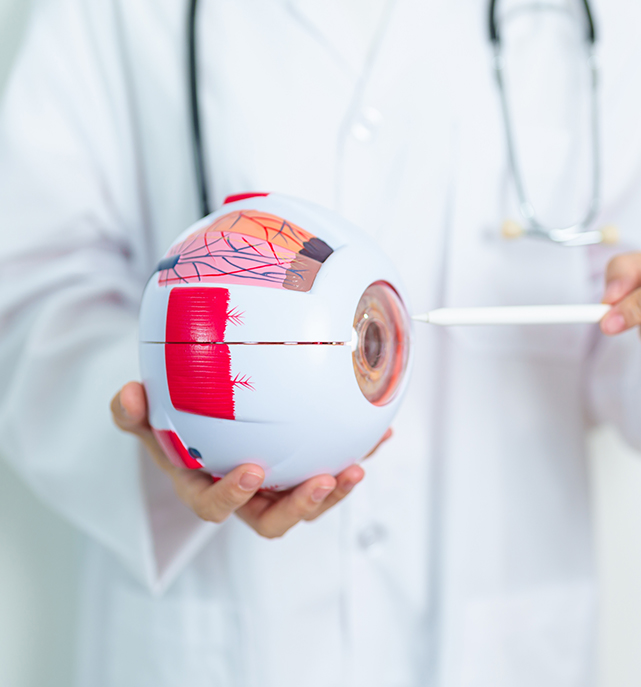
Learn more about this very common vision problem.
Macular degeneration is caused by the deterioration of the central portion of the retina, called the macula. It is responsible for your central clear vision. AMD is the leading cause of blindness in people over 65 years of age. There is a dry form (most common) and a wet form. The dry form involves the destruction of the retinal tissue. This may convert to the wet form if bleeding or fluid becomes involved. While there are treatments to manage the wet form, there is no definitive treatment for the dry form. No treatment can reverse the damage but treatment may be able to slow or prolong it.
Learn More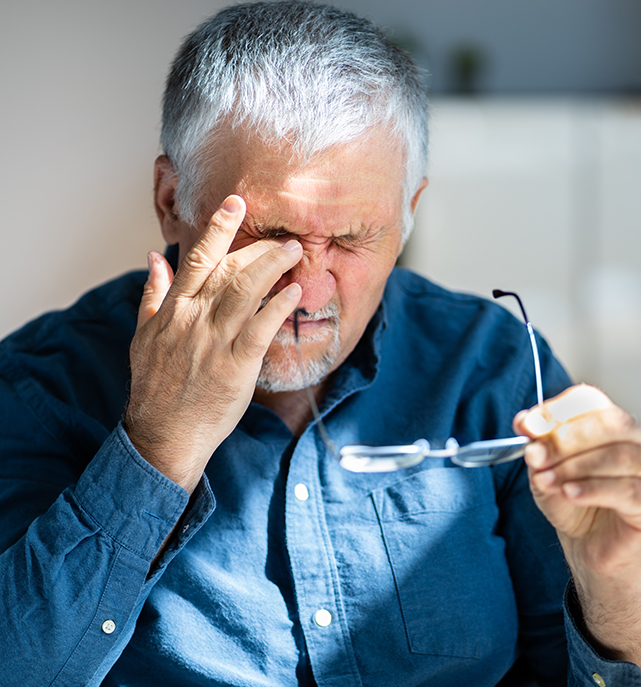
It is often called the “slow silent killer” of vision that leads to blindness.
Glaucoma is a group of eye diseases that gradually steal sight without any warning. Glaucoma does not have any symptoms until serious damage has already been done. The optic nerve is the nerve that connects your eyes to your brain so that you can process what your eyes see. When glaucoma damages the nerve, you lose peripheral vision. While there is no cure for glaucoma, medication, laser treatment, or surgery can slow the vision loss. The earlier we start treatment, the better we can manage the disease. While having a high intraocular pressure is a risk factor for glaucoma, there are other things that can cause it including previous trauma or systemic diseases. And there is even a type of glaucoma where the intraocular pressure is normal. The only way to monitor yourself for glaucoma is to see your eye doctor for regular comprehensive eye examinations.
Learn More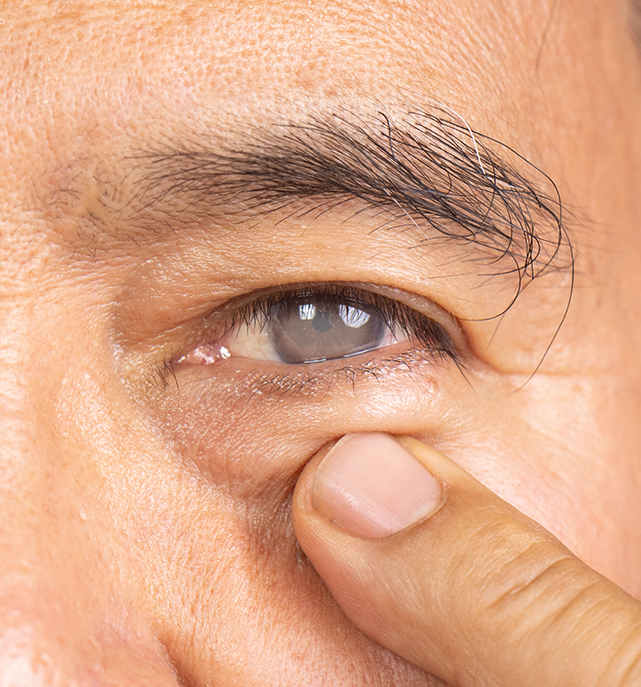
As you age, the world will become less colorful and less sharp because of these.
A cataract is a clouding of the eye’s natural crystalline lens, which lies behind the iris (the colored part of your eye) and the pupil. The lens works much like a camera lens, focusing light onto the retina at the back of the eye. Cataracts are a normal aging process but they can also form due to trauma, systemic disease, or even be present at birth. With a normal aging cataract, the most common kind, you will notice your vision becomes dimmer, colors are less bright, and have issues with glare. Today, cataract surgery is a relatively simple outpatient procedure and usually has great results.
Book an Appointment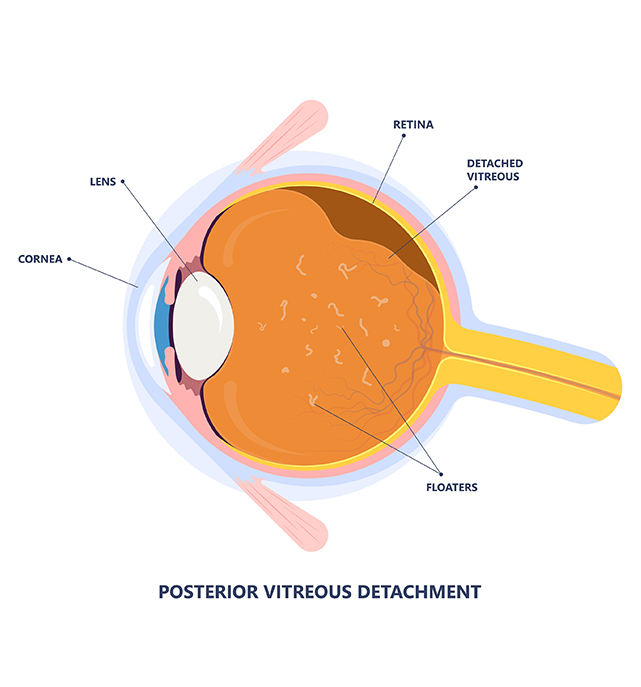
A scary masquerade full of floaters that can sometimes lead to bigger issues.
While a vitreous detachment is a normal aging process, it can mimic a retinal emergency. As part of the natural aging process, the vitreous shrinks with time. The vitreous is a jelly-like substance that fills the inside of your eyeball. Eventually, the vitreous will pull away from the retina as it shrinks. This may be accompanied by a flash of light and leave floaters in your vision, with one of them most likely being in a large ring shape. In about 10% to 15% of cases, the vitreous can also pull off or tear your retina, which is an ocular emergency. Whenever you experience flashes of light or floaters, we always recommend coming in immediately for a dilated eye examination so we can be sure a retinal detachment has not occurred, and it is simply a vitreous detachment.
Book an Appointment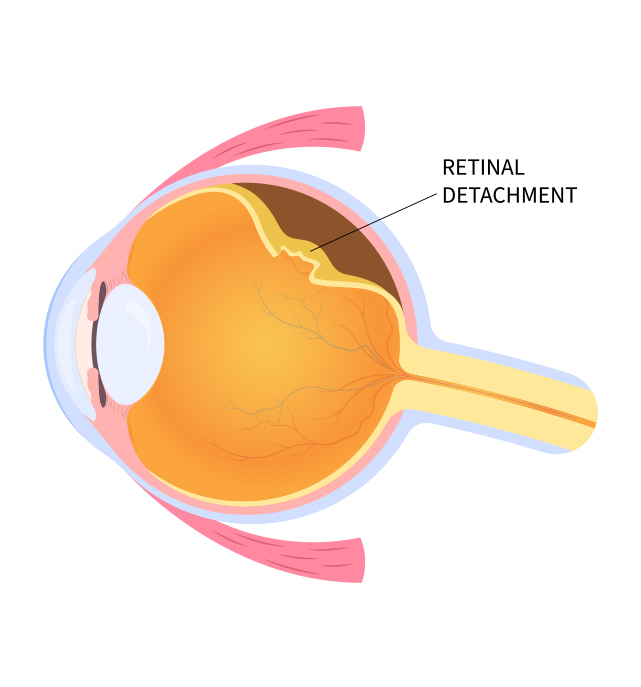
Educate yourself on this serious ocular emergency that can be vision-threatening.
A retinal detachment is an ocular emergency and needs treatment as soon as possible. The retina is the sensitive seeing layer that lines the inside of your eye. It usually occurs in the middle-aged to elderly, can be associated with high nearsightedness, and can occur after a forceful trauma. If not treated, you can permanently damage or lose vision. The three most common warning signs include: Sudden new floaters that were not there before, flashes of light that persist, or a curtain or veil that blocks a portion of your vision. We always prefer to have a “false alarm” retinal detachment, than the real thing, so please do not hesitate to call our office.
Book an Appointment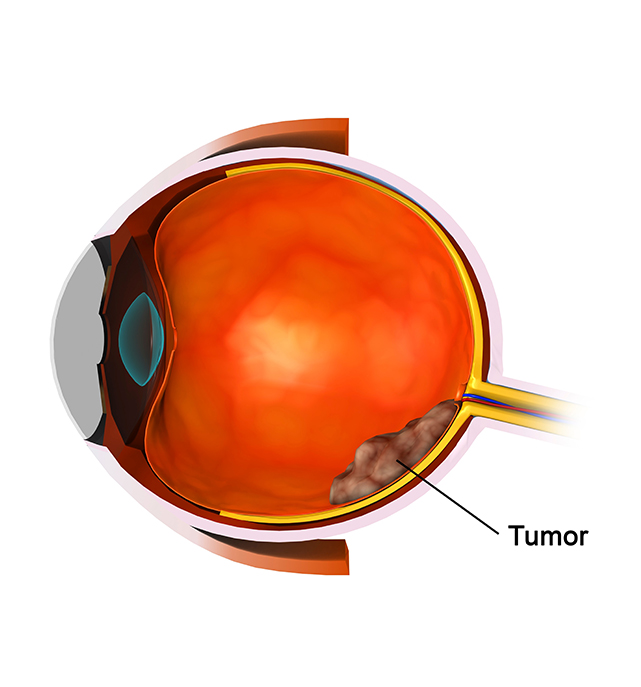
A potentially fatal condition that every parent should know about.
Retinoblastoma is a relatively uncommon tumor of childhood that accounts for about 3% of the cancers in children under the age of 15. However, death can occur in 10 to 15% of cases, so it is worth raising the alarm. The tumors originate in the retina, which is the inside lining of the eye. They usually occur in one eye, but can occur in both eyes. There is some connection to family history, but the majority of cases have no family history. In 50% of cases, leukocoria (a white reflex in the eye, instead of a normal red reflex) can be seen and is what usually prompts parents to bring in their children. The best way to check for retinoblastoma is to have your child get a comprehensive eye exam with your eye doctor.
Book an Appointment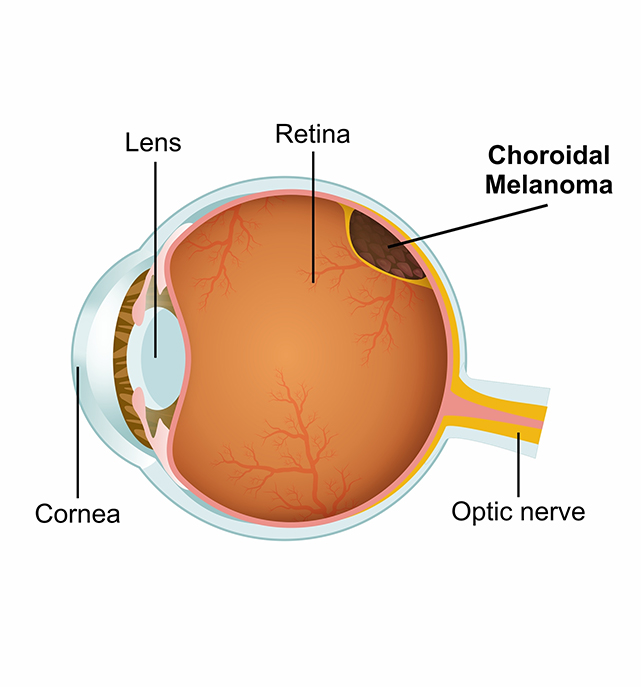
One form of cancer that can occur inside the eye.
While there are many lumps and bumps that can occur on, around, or inside your eye, choroidal melanoma is one that deserves concern. It is a primary cancer of the eye, which means it started in the eye and did not migrate from any other part of the body. Since it is malignant, the cancer could metastasize (spread) to other parts of the body. Although some choroidal melanomas are more life-threatening than others, almost all should be treated as if they were malignant. A dilated eye examination with your eye doctor can look for any tumors or irregularities on the inside of your eye.
Book an AppointmentAsk A Professional
Published in the Bismarck Tribune once a month on the last Thursday
Every month, Dr. Brittany Schauer shares her professional opinion and advice regarding various ocular topics. Click on the links below to view past articles.
January 2015 | Dr. Brittany Schauer
How does diabetes affect your eyes?

Diabetes mellitus is the number one cause of blindness for Americans under the age of 65. Therefore, it is very important that patients with diabetes see their optometrist every year for a comprehensive dilated eye examination. Uncontrolled diabetes can cause devastating changes to your vision, which can be permanent.
The damage occurs when blood and exudates leak out of blood vessels in the retina inside the eye, causing diabetic retinopathy. Prevention is critical and it is of the utmost importance to keep your blood sugar in the ranges recommended by your diabetic doctor. There are many other ocular problems that can be associated with diabetes, including cataracts and glaucoma, which is why it is so important to see your eye doctor every year.
In some cases, diabetes is actually discovered by an optometrist during a routine eye
exam. If a patient has unknown and uncontrolled diabetes, there are telltale signs that
can be seen inside the eye, even if the patient has not noticed a change in vision.
When it comes to vascular problems such as diabetes, the eyes are certainly the
window to your health!
February 2015 | Dr. Brittany Schauer
What is a cataract?
A cataract is a yellowing or cloudiness of the crystalline lens inside your eye. The lens is located just behind the colored part of your eye (the iris). If a cataract is developing, vision will seem cloudy or blurry, and colors will be dull. Glare issues are often noted, especially with nighttime driving. Most cataracts gradually occur in the elderly and are the result of a normal aging process. However, there are some systemic diseases and certain medications (such as steroids) that can cause cataracts. So it’s not impossible for other forms of cataracts to occur at other times of life, including birth.
With most age-related cataracts, the removal process is fairly straight-forward. You are awake during the out-patient procedure, which can take as little as 12 minutes per eye. Positive visual results can be seen within a few days, with full recovery occurring in about one month. Modern technology has certainly streamlined the process and decreased negative risks.
If you think you may have cataracts, visit your optometrist for a comprehensive eye examination with dilation.
March 2015 | Dr. Brittany Schauer
What can I do for my itchy allergy eyes?
If spring is the time of year that you know your allergies are going to hit hard, there are many things we can do before allergy season appears to prevent uncomfortable allergy eyes in the first place. If you are already on an oral medication or nasal spray for your allergies, research has proven that it can also help reduce symptoms in the eyes. However, it is sometimes not enough to relieve the ocular itch and it can potentially cause secondary dry eye. We have several choices of prescription eye drops that can manage, and even prevent, the allergy itch. Plus, we have numerous treatment options for co- existing dry eye that may be present.
The key message is not to wait until your eyes are miserable and itchy. Be proactive if you know you have allergy issues. Call and make an appointment with your eye doctor so that your eyes can stay comfortable all year round
January 2014 | Dr. Brittany Schauer
I wear a no-line bifocal and they don’t work well at my office job. Are there other options?
The no-line bifocal, otherwise known as a progressive addition lens (PAL), is an advantageous lens because it blends distance, intermediate, and near viewing in the same lens. It typically works great for a wide range of daily tasks. However, the intermediate and near zones often aren’t large enough to be comfortable for 8 hours of office-type work.
Fortunately, there is an alternative to the regular PAL. We can get the same design in a specialty computer PAL. The idea is the same, but the zones are shifted. In a regular PAL, the distance zone is the largest and viewed straight ahead. In a computer PAL, the intermediate (computer) zone is straight ahead and largest. There still is a distance zone at the top of the lens so you can see across the room, and a near zone at the bottom so you can read your paper documents.
So if you work on a computer all day long, ask your eye doctor about a specialty computer progressive lens for work.
February 2014 | Dr. Brittany Schauer
How do I know if I am having a retinal detachment?
The retina is the “seeing” layer of tissue that lines the inside of the eye. If it separates from the underlying anatomy, your vision can permanently be damaged or lost. Retinal detachments usually occur in the middleaged to elderly and can be associated with high nearsightedness or due to blunt force trauma.
There are three main warning signs that a retinal detachment has occurred. New floaters that suddenly appear in your vision that were not there before. These are pieces of tissue that were pulled loose during the detachment. Flashes of light located anywhere in your vision that were not there before. These are areas of tension that are pulling on the parts of the retina that are still attached. A curtain or veil that blocks a portion of your vision. This is the area where your retina is not “seeing” anymore because it has detached. If you experience any of these symptoms, it is highly advisable to seek medical attention IMMEDIATELY. If a retinal detachment has indeed happened, the surgical outcome is typically better if it can be treated promptly
March 2014 | Dr. Brittany Schauer
What are the symptoms of glaucoma?
The scary part about glaucoma is that the most common type does NOT have any symptoms until severe damage has already been sustained. Glaucoma is the “silent thief of vision”. It is a slow and gradual disease process that damages your peripheral vision over the course of years, usually in both eyes. By definition, glaucoma occurs when the optic nerve fibers are damaged. The optic nerve is responsible for carrying the visual signal from your eyes to your brain where the information is processed. Pain receptors are not found in this part of the eye; therefore no pain is felt as optic nerve fibers are destroyed. Once damage is done to the nerve, it cannot be reversed. This is why it is very important, especially for individuals over the age of 65, to have a comprehensive eye examination every year. Even though you may not be having symptoms, damage could still be occurring if glaucoma is present. Glaucoma can usually be treated with the use of prescription eye drops but sometimes laser treatment or surgery is required.
April 2014 | Dr. Brittany Schauer
Can I sleep in my contact lenses?
It depends. Not all contact lenses are designed for overnight wear and not all eyes can tolerate sleeping in contacts. Make sure you discuss overnight wear with your eye doctor. If you have not been approved to sleep in your contacts, you should not do so. Abusing your contact lenses can lead to eye infections, giant papillary conjunctivitis, corneal ulcers, and a potential permanent decrease in vision. Many patients are able to comfortably and safely wear their contact lenses overnight, with a unique management and care plan determined by their eye doctor. Every person’s eyes are different. If ever your eyes are red, your vision blurry, or your lenses not comfortable, you need to take your contacts out and give your eyes a break. Common sense goes a long way when your eyes are trying to tell you that something is wrong. When in doubt, take them out! This is why all contact lens wearers need a backup pair of eyeglasses.
May 2014 | Dr. Brittany Schauer
I can see just fine. Do I still need an eye exam?
Yes. Even though you may be able to read the 20/20 line with ease, a comprehensive eye examination also ensures that the eyes are HEALTHY, inside and out. Especially in the aging years, there are many eye diseases that do not have signs or symptoms until it’s too late. Glaucoma is a prime example of an ocular disease that can “sneak up” over the years. By the time peripheral vision is noticeably lost, the disease process is very advanced and the damage is irreversible. Even though most ocular diseases occur in the golden years, eye health is also important for children and young adults. While rare, there can be serious ocular conditions that can be life-threatening, such as a tumor inside the eye. Or there can be subtle ocular signs that can lead to a systemic disease diagnosis, such as Lisch iris nodules indicating a form of neurofibromatosis (a nerve tissue disease). Your eyes are truly the window to your health. It is important to have your vision and your eye health checked every year with a dilated eye exam.
June 2014 | Dr. Brittany Schauer
When should my child have an eye exam?
The American Optometric Association (AOA) recommends a child’s first eye exam at approximately 6 months of age. There are tests we can do to estimate prescription, evaluate muscle balance, examine eye health, and much more, without ever asking the infant a single question. There is a program called InfantSEE that allows parents to receive a no-cost eye examination for their infant under one year of age. Vision Source Mandan participates in that program, as well as other clinics in the area. If no issues are detected at the first examination, the AOA recommends the child’s next exam to be at 3 years of age, followed by 5 years of age, and then every 1 to 2 years after that.
We agree and support the AOA’s recommendations on child eye care. There are many visual problems that can be avoided with proper preventative ocular care including “lazy eye”, amblyopia, or even life-threatening conditions such as retinoblastoma. Don’t wait until your child complains of visual issues. Most children won’t complain because they do not know that the way they see isn’t normal for everyone. Start regular eye examinations at an early age!
July 2014 | Dr. Brittany Schauer
Can I order my glasses online?
Online glasses for $39? Well, cheap is what cheap does. Ordering your eyeglasses online does not guarantee they will fit your face correctly or that you will have the most clear vision possible. In our office, we have seen some very poor examples of glasses that were ordered online. One alarming aspect to consider when ordering glasses online is that some distributors do not meet the required safety standards for impact resistance. In a recent study, 23% to 29% of glasses ordered online did NOT meet these standards. Do you want to risk having lenses that will break when you need them to protect your eyes, or your child’s eyes?
While everyone is free to order their eyeglasses online if they wish, we highly recommend ordering your glasses from your eye doctor’s optical that is staffed with highly trained and experienced opticians. This will ensure that your glasses meet safety standards, are custom-made with your precise prescription, and are properly fitted for your unique facial features. Remember: You get what you pay for!
August 2014 | Dr. Brittany Schauer
How does diabetes affect your eyes?
Diabetes mellitus is the number one cause of blindness for Americans under the age of 65. Therefore, it is very important that patients with diabetes see their optometrist every year for a comprehensive dilated eye examination. Uncontrolled diabetes can cause devastating changes to your vision, which can be permanent. The damage occurs when blood and exudates leak out of blood vessels in the retina inside the eye, causing diabetic retinopathy. Prevention is critical. It is of the utmost importance to keep your blood sugar in the ranges recommended by your diabetic doctor. There are many other ocular problems that can be associated with diabetes, including cataracts and glaucoma, which is why it is so important to see your eye doctor every year.
In some cases, diabetes is actually discovered by an optometrist during a routine eye exam. If a patient has unknown and uncontrolled diabetes, there are telltale signs that can be seen inside the eye, even if the patient has not noticed a change in vision. When it comes to vascular problems such as diabetes, the eyes are certainly the window to your health!
Septemeber 2014 | Dr. Brittany Schauer
What is a cataract?
A cataract is a yellowing or cloudiness of the crystalline lens inside your eye. The lens is located just behind the colored part of your eye (the iris). If a cataract is developing, vision will seem cloudy or blurry, and colors will be dull. Glare issues are often noted, especially with nighttime driving. Most cataracts gradually occur in the elderly and are the result of a normal aging process. However, there are some systemic diseases and certain medications (such as steroids) that can cause cataracts. So it’s not impossible for other forms of cataracts to occur at other times of life, including birth.
With most age-related cataracts, the removal process is fairly straight-forward. You are awake during the out-patient procedure, which can take as little as 12 minutes per eye. Positive visual results can be seen within a few days, with full recovery occurring in about one month. Modern technology has certainly streamlined the process and decreased negative risks.
If you think you may have cataracts, visit your optometrist for a comprehensive eye examination with dilation.
October 2014 | Dr. Brittany Schauer
Is it safe to use Visine eye drops every day?
No, I do not recommend that anyone use Visine eye drops on a daily basis. The main ingredient in Visine is a vasoconstrictor that will “get the red out” of the white part of your eye. However, long-term use of Visine can lead to rebound redness, increased intraocular pressure (raises risk of glaucoma), blurry vision, dilated pupils, and can damage the epithelial cells on the clear part of your eye.
While it is okay to use Visine once in a while for special events, such as a wedding, to make sure your eyes look white and bright, I do not recommend it be used every day. A better solution to combat dry eyes and redness is to use an artificial tear (lubricating eye drop). These drops typically are safe to use several times per day. If you have chronic issues with dry eyes, red eyes, or itchy eyes, you should consult with your eye doctor to arrange the best long-term treatment strategy.
November 2014 | Dr. Brittany Schauer
When should my child have an eye exam?
The American Optometric Association (AOA) recommends a child’s first eye exam at approximately 6 months of age. There are tests we can do to estimate prescription, evaluate muscle balance, examine eye health, and much more, without ever asking the infant a single question. There is a program called InfantSEE that allows parents to receive a no-cost eye examination for their infant under one year of age. Vision Source Mandan participates in that program, as well as other clinics in the area. If no issues are detected at the first examination, the AOA recommends the child’s next exam to be at 3 years of age, followed by 5 years of age, and then every 1 to 2 years after that.
We agree and support the AOA’s recommendations on child eye care. There are many visual problems that can be avoided with proper preventative ocular care including “lazy eye”, amblyopia, or even life-threatening conditions such as retinoblastoma. Don’t wait until your child complains of visual issues. Most children won’t complain because they do not know that the way they see isn’t normal for everyone. Start regular eye examinations at an early age!
December 2014 | Dr. Brittany Schauer
Can I order my glasses online?
Online glasses for $39? Well, cheap is what cheap does. Ordering your eyeglasses or sunglasses online does not guarantee they will fit your face correctly or that you will have the most clear vision possible. In our office, we have seen some very deplorable examples of poor quality glasses that were ordered online.
One alarming aspect to consider when ordering online is that some foreign distributors have been caught lying about the safety of their lenses. Under the required United States impact resistance test, one group of children’s eyeglasses was tested randomly. Every single lens shattered into pieces, even though the foreign distributor’s certificate claimed otherwise. Do you want to risk having lenses that will break when you need them to protect your eyes in an accident? While everyone is free to order their eyeglasses online if they wish, we highly recommend ordering your glasses from your eye doctor’s optical and highly trained optician staff. This will ensure that your glasses meet safety standards, are custommade with your precise prescription, and are properly fitted for your unique facial features. “Quality” and “cheap” are two very different standards.
Testimonials
What Our Clients Say

My annual eye exam is always an excellent experience with Dr. Danielle Dyke. The exam is always thorough, and Dr. Dyke takes the time to explain my eye health in a way I can understand. The Vision Source eye clinic is modern, clean, and the staff is very welcoming. I always feel comfortable and well-cared for at my appointment. I highly recommend Dr. Dyke and Vision Source!
Patricia G.
Dr. Schauer did an amazing job getting my eye infection cleared up. As I sat in my room waiting my turn, because I had a last minute appointment, I could hear her working with a family next door that had young kids.
Fred S.
Whenever I have had eye issues, they have made efforts to get me in asap. Which I really appreciate. I have had Dr. Aberle and Dr. Dyke and they are both excellent. Recently, I saw Dr. Aberle for a chronic eye problem in one eye & he fixed the problem. Honestly, it felt like a miracle. The office staff is also very pleasant to deal with.
Sheila S.
I've literally been a lifelong customer since 5th grade when it was Dr. Little! Dr. Schauer has taken over since Dr. Little retired. It's always a good, friendly experience with all of the staff there. I've never had a bad experience.
Bill S.
The front desk people are very nice and friendly got called in to see Wayne before my appointment time Vision Source has very friendly staff and the clinic is very clean will always be a patient to Vision Source.
Deborah C.
I was greeted by the front desk very efficiently. The person who did the first part of my history and did the testing like the little spritz in my eyes, etc, was very good. I really like my eye doctor, I feel that I get all my questions answered as well as she explains what she is seeing when she is examining my eyes.
Dolly A.
Need to Schedule an Appointment?
WE ARE Accepting New Patients
Your vision is precious—trust it to the experienced team at Vision Source Mandan, where we treat you like family
while providing the highest standard of eye care available in the Bismarck-Mandan area.
MAP

Contact Us
Office Hours
Monday 8:00am - 5:00pm
Tuesday 8:00am - 7:00pm
Wednesday 8:00am - 5:00pm
Thursday 8:00am - 5:00pm
Friday 8:00am - 1:00pm
Saturday Closed
Sunday Closed
* We are closed from 12:00 pm - 1:00pm on the 2nd Thursday of each month for a team meeting.
© 2026 Vision Source Mandan. All Rights Reserved. Accessibility Statement - Privacy Policy - Sitemap
Powered by: 