
Life with cataracts can be like trying to see through a foggy window that can't be wiped clean.
Cataracts are one of the most common eye conditions in the world, and the good news is that they're also one of the most treatable. Here's what you need to know.
What Is a Cataract?
A cataract is a clouding of the eye's natural lens, which sits just behind the pupil. The lens is responsible for focusing light onto the retina, allowing you to see clearly. When proteins inside the lens begin to break down and clump together, that cloudiness develops, scattering light instead of focusing it. The result is blurry, hazy, or dim vision that gradually worsens over time.
Why Cataracts Form
Age is the most common cause. As we get older, the proteins in our lenses naturally begin to degrade. Most people over 60 have some degree of cataract formation, even if they don't notice it yet. But age isn't the only factor. Other common contributors include:
- Prolonged UV exposure from sunlight
- Smoking and excessive alcohol consumption
- Diabetes and other metabolic conditions
- Long-term use of corticosteroid medications
- Eye injuries or prior eye surgeries
- Family history and genetics
In some cases, cataracts are present at birth, a condition known as congenital cataracts.
Recognizing the Symptoms
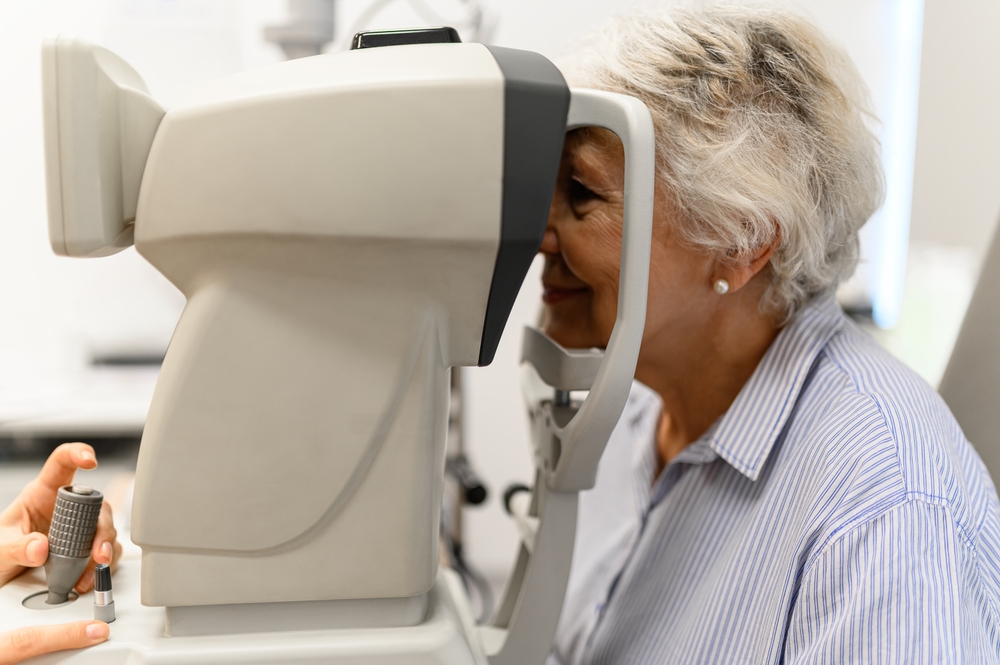
Cataracts develop slowly, so symptoms often creep up gradually. The most common signs include blurred or cloudy vision, increased sensitivity to glare (especially when driving at night), faded or yellowed colors, frequent changes in your glasses prescription, and seeing halos around lights. If any of these sound familiar, it's worth scheduling a comprehensive eye exam.
How We Treat Cataracts
In the early stages, updated glasses or better lighting can help manage symptoms. But when cataracts begin to significantly interfere with daily life, surgery is the most effective solution.
Cataract surgery is one of the safest and most commonly performed procedures in medicine. The clouded natural lens is removed and replaced with a clear artificial lens called an intraocular lens (IOL). The procedure typically takes less than 30 minutes and is performed on an outpatient basis.
Most patients notice dramatically improved vision within days. Modern IOLs come in a variety of types, including lenses that correct for astigmatism or even reduce dependence on glasses after surgery. Your eye doctor will help you choose the best option based on your vision needs and lifestyle.
Fun Fact: Claude Monet's Cataracts
The French Impressionist painter Claude Monet developed cataracts in both eyes beginning around 1912. As his condition worsened, his color perception shifted dramatically, causing him to see the world in muddled yellows and browns. Art historians believe this is reflected in the darker, less vibrant palette of his later works.
Monet resisted surgery for years out of fear, but eventually underwent a procedure in 1923. The surgery was considered experimental at the time and did not go smoothly. He was left with altered color vision and had to wear tinted lenses to compensate. After adjusting, he returned to painting and even reworked some of his earlier pieces.
It's a striking reminder of how much vision shapes our experience of the world, and how far cataract treatment has come since then.
Talk to Your Eye Doctor
If you're over 50 or noticing any changes in your vision, a routine eye exam can catch cataracts early. The sooner they're identified, the more options you have.
Don't wait until your view gets too foggy to act.
The content on this blog is not intended to be a substitute for professional medical advice, diagnosis, or treatment. Always seek the advice of qualified health providers with questions you may have regarding medical conditions.
Testimonials
What Our Clients Say

My annual eye exam is always an excellent experience with Dr. Danielle Dyke. The exam is always thorough, and Dr. Dyke takes the time to explain my eye health in a way I can understand. The Vision Source eye clinic is modern, clean, and the staff is very welcoming. I always feel comfortable and well-cared for at my appointment. I highly recommend Dr. Dyke and Vision Source!
Patricia G.
Dr. Schauer did an amazing job getting my eye infection cleared up. As I sat in my room waiting my turn, because I had a last minute appointment, I could hear her working with a family next door that had young kids.
Fred S.
Whenever I have had eye issues, they have made efforts to get me in asap. Which I really appreciate. I have had Dr. Aberle and Dr. Dyke and they are both excellent. Recently, I saw Dr. Aberle for a chronic eye problem in one eye & he fixed the problem. Honestly, it felt like a miracle. The office staff is also very pleasant to deal with.
Sheila S.
I've literally been a lifelong customer since 5th grade when it was Dr. Little! Dr. Schauer has taken over since Dr. Little retired. It's always a good, friendly experience with all of the staff there. I've never had a bad experience.
Bill S.
The front desk people are very nice and friendly got called in to see Wayne before my appointment time Vision Source has very friendly staff and the clinic is very clean will always be a patient to Vision Source.
Deborah C.
I was greeted by the front desk very efficiently. The person who did the first part of my history and did the testing like the little spritz in my eyes, etc, was very good. I really like my eye doctor, I feel that I get all my questions answered as well as she explains what she is seeing when she is examining my eyes.
Dolly A.

Need to Schedule an Appointment?
WE ARE Accepting New Patients
Your vision is precious—trust it to the experienced team at Vision Source Mandan, where we treat you like family
while providing the highest standard of eye care available in the Bismarck-Mandan area.
MAP



Contact Us
Office Hours
Monday 8:00am - 5:00pm
Tuesday 8:00am - 7:00pm
Wednesday 8:00am - 5:00pm
Thursday 8:00am - 5:00pm
Friday 8:00am - 1:00pm
Saturday Closed
Sunday Closed
* We are closed from 12:00 pm - 1:00pm on the 2nd Thursday of each month for a team meeting.
© 2026 Vision Source Mandan. All Rights Reserved. Accessibility Statement - Privacy Policy - Sitemap
Powered by: 