
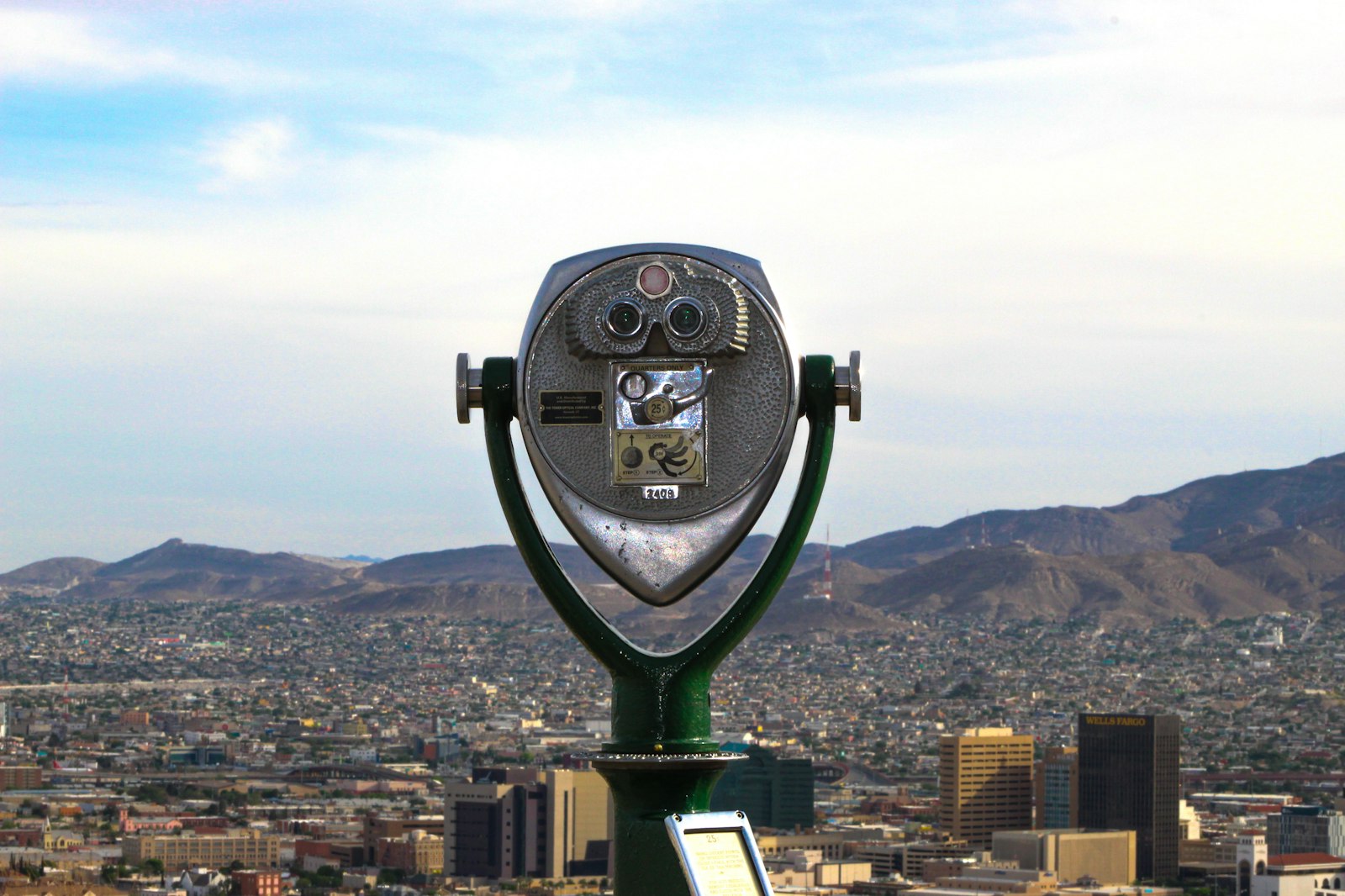
They say hindsight is 20/20. Even though we can reflect on past experiences through a seemingly perfect lens, is 20/20 as good as it gets when it comes to our vision?
The Difference Between Visual Acuity And Our Vision
Before we explore what those magic numbers mean, it’s important to clarify what we’re measuring when we say someone has “20/20 vision.”
Vision is a broad description of our eyesight that covers a wide range of visual skills and abilities. These include color vision, contrast sensitivity, depth perception, the ability to smoothly track moving objects, and more. While all of these skills are important, “20/20 vision” is really only describing one aspect of our sight—visual acuity.
When your doctor asks you to identify letters or numbers on an eye chart, they are testing your visual acuity, or the sharpness of your vision. This is usually a static measurement, meaning you are standing still and the text being viewed is also stationary. Visual acuity is also normally tested in high-contrast conditions. This is why most standard eye charts show black letters or numbers on a white background, or vice versa.
What Does 20/20 Actually Mean?
20/20 and other visual acuity measurements (such as 20/40, 20/60, etc.) are known as Snellen fractions. Herman Snellen developed his system for measuring visual acuity in 1862, and it remains as the most commonly used method today.
The top number of the Snellen fraction refers to the viewing distance between the patient and the eye chart. This is typically 20 feet in the United States and 6 meters in other countries throughout the world. When viewed at this distance, the bottom number of the Snellen fraction corresponds to a line of text on the eye chart. The large letter “E” on top on most charts corresponds to 20/200 visual acuity, and each subsequent line correlates to clearer visual acuity—20/20 being standardized as “normal” acuity.
Together, these numbers represent a comparison between what the “average” person should be able to see from a distance of 20 feet and what we can actually see. If you have 20/20 visual acuity, you can read a letter from 20 feet away that the “average” human being can also read from a distance of 20 feet. Now if you have 20/200 visual acuity, you can read a letter from 20 feet away that the average person should be able to read from 200 feet away, meaning your visual acuity is very poor.
Believe it or not, some have vision much better than 20/20. In fact, many people with young, healthy eyes are able to see letters on the 20/15 line of the Snellen chart, or even smaller!
We Want To Ensure Your Sight Is Crystal Clear
Excellent vision is comprised of many more factors than simply seeing 20/20. While testing for good visual acuity is beneficial to determining the relative clarity of our eyesight, it’s important to get a comprehensive eye exam to ensure our overall vision health. If you have any questions about your visual acuity, let us know! We care about each of our patients and offer personalized solutions for your individual vision needs.
Thank you for being part of our practice family.
Top image by Flickr user Chase Elliott Clark used under Creative Commons Attribution-Sharealike 4.0 license. Image cropped and modified from original.
The content on this blog is not intended to be a substitute for professional medical advice, diagnosis, or treatment. Always seek the advice of qualified health providers with questions you may have regarding medical conditions.
Testimonials
What Our Clients Say

My annual eye exam is always an excellent experience with Dr. Danielle Dyke. The exam is always thorough, and Dr. Dyke takes the time to explain my eye health in a way I can understand. The Vision Source eye clinic is modern, clean, and the staff is very welcoming. I always feel comfortable and well-cared for at my appointment. I highly recommend Dr. Dyke and Vision Source!
Patricia G.
Dr. Schauer did an amazing job getting my eye infection cleared up. As I sat in my room waiting my turn, because I had a last minute appointment, I could hear her working with a family next door that had young kids.
Fred S.
Whenever I have had eye issues, they have made efforts to get me in asap. Which I really appreciate. I have had Dr. Aberle and Dr. Dyke and they are both excellent. Recently, I saw Dr. Aberle for a chronic eye problem in one eye & he fixed the problem. Honestly, it felt like a miracle. The office staff is also very pleasant to deal with.
Sheila S.
I've literally been a lifelong customer since 5th grade when it was Dr. Little! Dr. Schauer has taken over since Dr. Little retired. It's always a good, friendly experience with all of the staff there. I've never had a bad experience.
Bill S.
The front desk people are very nice and friendly got called in to see Wayne before my appointment time Vision Source has very friendly staff and the clinic is very clean will always be a patient to Vision Source.
Deborah C.
I was greeted by the front desk very efficiently. The person who did the first part of my history and did the testing like the little spritz in my eyes, etc, was very good. I really like my eye doctor, I feel that I get all my questions answered as well as she explains what she is seeing when she is examining my eyes.
Dolly A.

Need to Schedule an Appointment?
WE ARE Accepting New Patients
Your vision is precious—trust it to the experienced team at Vision Source Mandan, where we treat you like family
while providing the highest standard of eye care available in the Bismarck-Mandan area.
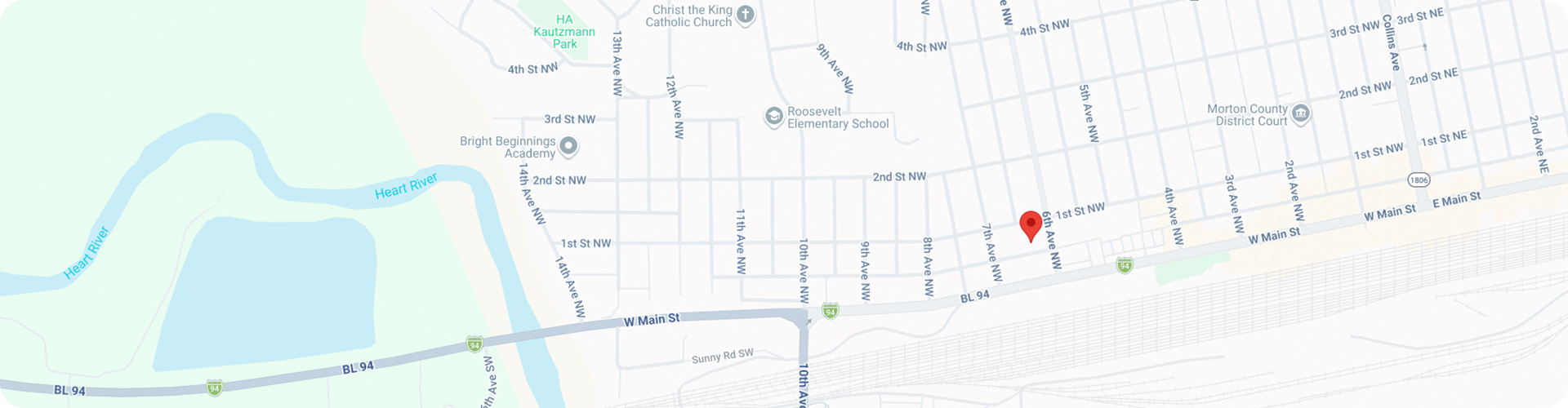
MAP


Contact Us
Office Hours
Monday 8:00am - 5:00pm
Tuesday 8:00am - 7:00pm
Wednesday 8:00am - 5:00pm
Thursday 8:00am - 5:00pm
Friday 8:00am - 1:00pm
Saturday Closed
Sunday Closed
* We are closed from 12:00 pm - 1:00pm on the 2nd Thursday of each month for a team meeting.
© 2026 Vision Source Mandan. All Rights Reserved. Accessibility Statement - Privacy Policy - Sitemap
Powered by: 