
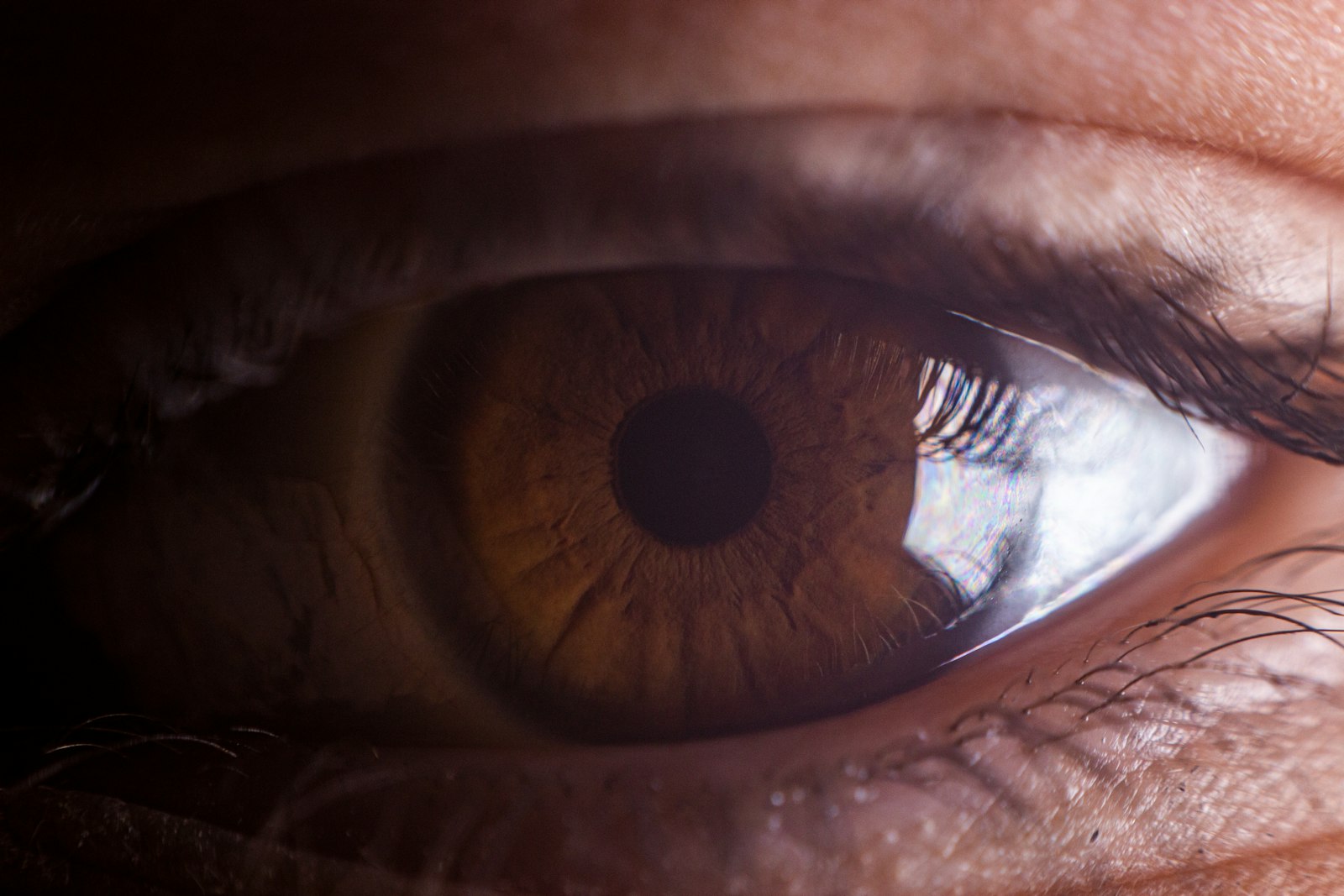
Some vision problems are so extreme that simple glasses or contacts aren’t enough to completely fix them.
These sorts of serious vision problems fall under the umbrella of visual impairment, and those of us with functional eyesight should be aware of these problems so that we can be ready to help (and help the right way) if a visually impaired person needs us.
Causes and Types of Visual Impairment
Visual impairments could be the result of a variety of things, including birth defects, genetic disorders, and eye diseases. Other factors that can interfere with healthy vision include old age and injuries. In 2019, surgical procedures and corrective lenses can’t correct all of these.
Depending on the cause of the impairment, vision can be affected in different ways. Macular degeneration erodes central vision without affecting peripheral vision, whereas glaucoma affects peripheral vision first. Vision can also be affected in the form of double vision (diplopia), sensitivity to light (photophobia), difficulty with visual perception, and visual distortion.
What Does It Mean to Be “Legally Blind”?
A person is considered to have low vision if they have 20/70 or worse vision even while wearing corrective lenses. This means that when they look at something 20 feet away, they can only see as much detail as someone with normal vision can see at 70 feet. If their best eye can only provide 20/200 vision with glasses on, they would be considered legally blind.
Different Types of Blindness
Even blindness isn’t the same for everyone who has it. Some people have been blind their entire lives, while others have lost their vision later on. Sometimes it happens quickly, sometimes very slowly. Some blind people can perceive light even if they can’t see any detail, while others have no ability to perceive any visual information.
Tips for Sighted People Who Want to Help
Everyone’s situation is different, but one thing every visually impaired person has in common is that they deserve to be treated with dignity and respect. Talk to them normally and don’t make a big deal about wanting to help them. Always greet them politely, introduce yourself, and — this is the really crucial thing — ask first before providing any help. If they say no, trust them. If they accept, great! Here are a few simple protocols to keep in mind:
- When assisting with mobility, ask them where they want you, match their speed, and describe obstacles such as stairs, curbs, and upcoming changes to the slope of the ground.
- Be specific when describing objects or where things are. Let them know if you place something in front of them.
- When visiting a visually impaired person’s home, make sure to place items only where they want them if you’re helping them tidy up.
- If you see a visually impaired person with a guide dog, do not pet the dog! These highly trained pooches have very important jobs to do, and affection from strangers only distracts them from their work.
One last thing to remember is that being visually impaired doesn’t stop a person from leading a full, exciting life!
Keep an Eye on Your Own Eyesight
We in the field of optometry sincerely hope that a day will come in the near future when all forms of vision loss can be cured or corrected and that everyone will have access to 20/20 vision. Until that day arrives, we encourage everyone who has good eyesight to help those who don’t, and we also encourage you to maintain good daily habits and regular eye exam schedules to keep your own eyesight as healthy as possible!
Never take your eyesight for granted!
Top image used under CC0 Public Domain license. Image cropped and modified from original.
The content on this blog is not intended to be a substitute for professional medical advice, diagnosis, or treatment. Always seek the advice of qualified health providers with questions you may have regarding medical conditions.
Testimonials
What Our Clients Say

My annual eye exam is always an excellent experience with Dr. Danielle Dyke. The exam is always thorough, and Dr. Dyke takes the time to explain my eye health in a way I can understand. The Vision Source eye clinic is modern, clean, and the staff is very welcoming. I always feel comfortable and well-cared for at my appointment. I highly recommend Dr. Dyke and Vision Source!
Patricia G.
Dr. Schauer did an amazing job getting my eye infection cleared up. As I sat in my room waiting my turn, because I had a last minute appointment, I could hear her working with a family next door that had young kids.
Fred S.
Whenever I have had eye issues, they have made efforts to get me in asap. Which I really appreciate. I have had Dr. Aberle and Dr. Dyke and they are both excellent. Recently, I saw Dr. Aberle for a chronic eye problem in one eye & he fixed the problem. Honestly, it felt like a miracle. The office staff is also very pleasant to deal with.
Sheila S.
I've literally been a lifelong customer since 5th grade when it was Dr. Little! Dr. Schauer has taken over since Dr. Little retired. It's always a good, friendly experience with all of the staff there. I've never had a bad experience.
Bill S.
The front desk people are very nice and friendly got called in to see Wayne before my appointment time Vision Source has very friendly staff and the clinic is very clean will always be a patient to Vision Source.
Deborah C.
I was greeted by the front desk very efficiently. The person who did the first part of my history and did the testing like the little spritz in my eyes, etc, was very good. I really like my eye doctor, I feel that I get all my questions answered as well as she explains what she is seeing when she is examining my eyes.
Dolly A.
Need to Schedule an Appointment?
WE ARE Accepting New Patients
Your vision is precious—trust it to the experienced team at Vision Source Mandan, where we treat you like family
while providing the highest standard of eye care available in the Bismarck-Mandan area.
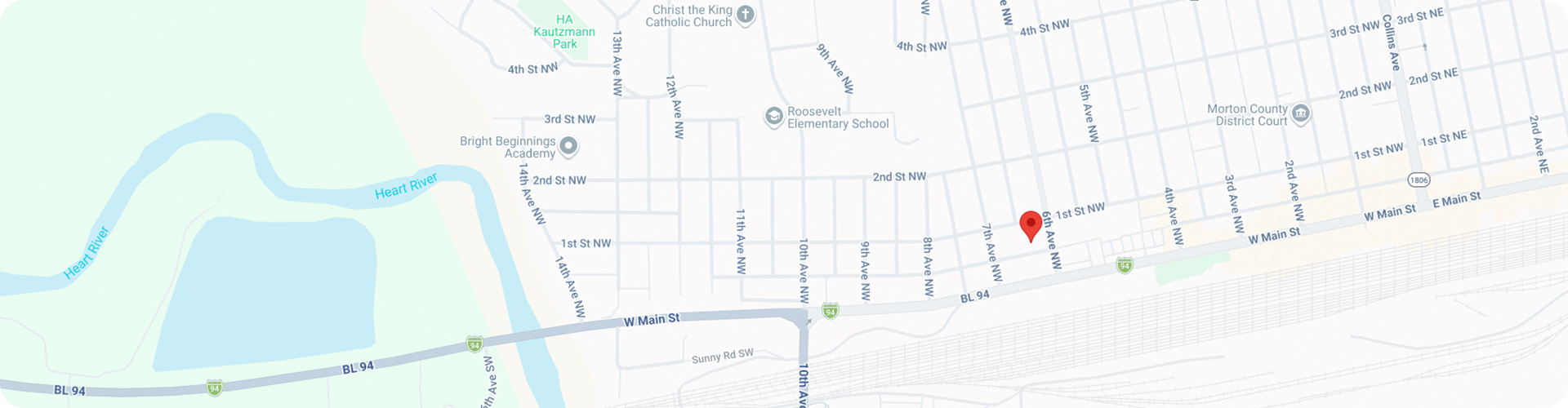
MAP

Contact Us
Office Hours
Monday 8:00am - 5:00pm
Tuesday 8:00am - 7:00pm
Wednesday 8:00am - 5:00pm
Thursday 8:00am - 5:00pm
Friday 8:00am - 1:00pm
Saturday Closed
Sunday Closed
* We are closed from 12:00 pm - 1:00pm on the 2nd Thursday of each month for a team meeting.
© 2026 Vision Source Mandan. All Rights Reserved. Accessibility Statement - Privacy Policy - Sitemap
Powered by: 