

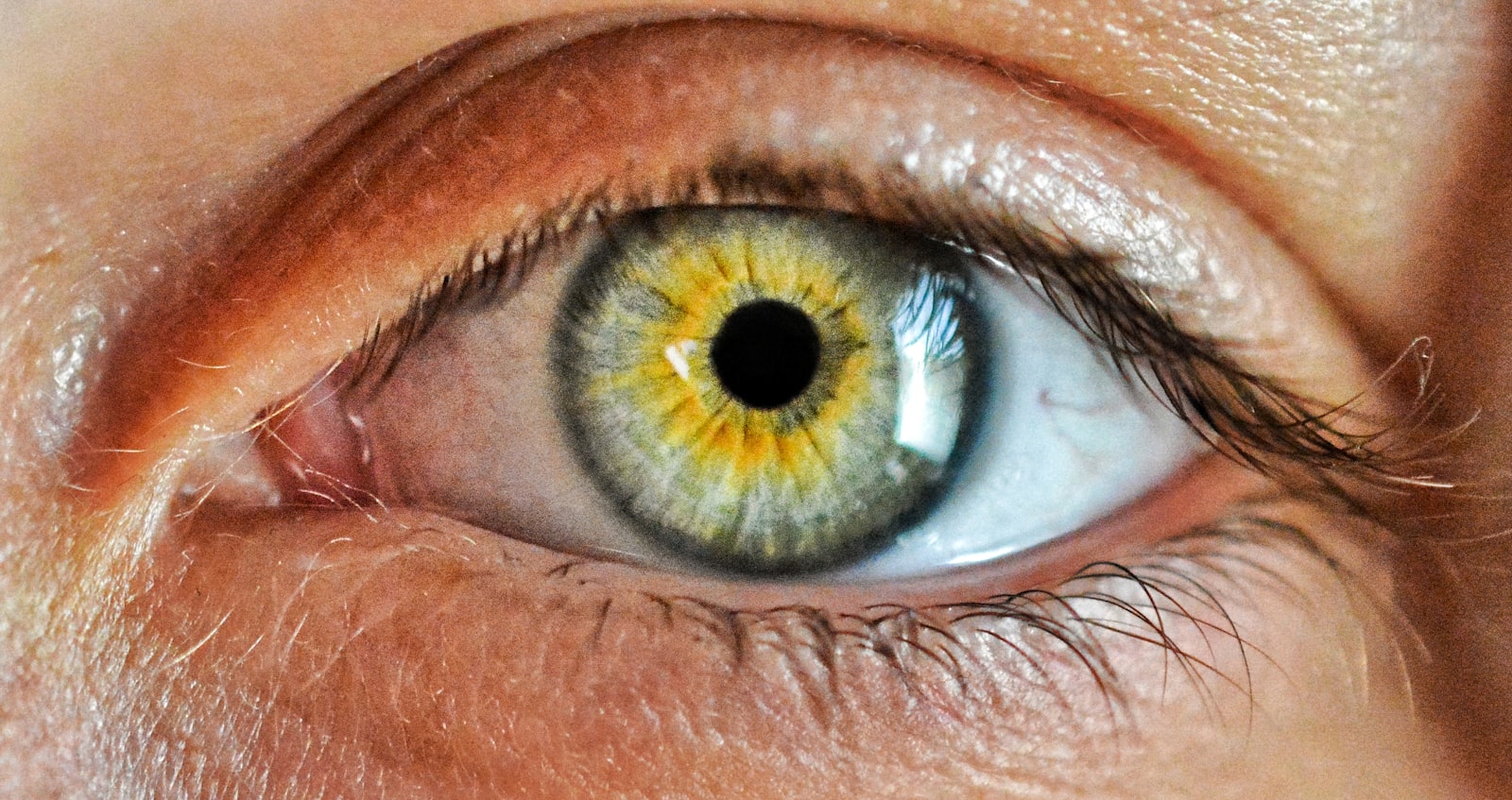
One of the eye's most captivating features is the variety of colors it can display.
As eye care professionals, we're privileged to observe this diversity every day in our practice. Here are some fascinating facts about eye color that might surprise both you and your patients.
The Science Behind Eye Color
Eye color is determined primarily by the amount and distribution of melanin in the iris. Contrary to popular belief, there's no blue, green, or hazel pigment in the eye. Brown eyes contain high concentrations of melanin, while blue eyes have very little. Interestingly, blue eyes appear blue due to the Rayleigh scattering of light — the same phenomenon that makes the sky look blue. Green and hazel eyes fall somewhere in between, with moderate melanin levels combined with light scattering effects.
Brown Eyes Dominate Globally
Approximately 79% of the world's population has brown eyes, making it the most common eye color. This prevalence is partly because the genes for brown eyes are dominant. However, eye color genetics are more complex than the simple Mendelian inheritance models many of us learned in school. Scientists have identified at least 16 different genes that influence eye color, which explains why two brown-eyed parents can occasionally have a blue-eyed child.
Blue Eyes Share a Common Ancestor
Research suggests that all blue-eyed individuals can trace their ancestry back to a single person who lived near the Black Sea approximately 6,000 to 10,000 years ago. A genetic mutation affecting the OCA2 gene in this individual essentially "turned off" the ability to produce brown eyes in their descendants. This makes all blue-eyed people distant relatives.
Eyes Can Change Color
While dramatic changes are rare, eye color can shift throughout life. Most babies are born with blue or gray eyes because melanin production isn't fully active at birth. By age three, most children have developed their permanent eye color. In adults, certain medical conditions, medications, or trauma can alter eye color. Additionally, some people experience subtle changes based on lighting, clothing colors, or even emotional states, though the iris itself hasn't actually changed.
Heterochromia: Two Different Colored Eyes
Complete heterochromia, where each eye is a completely different color, occurs in less than 1% of the population. This can be genetic or result from injury or disease. Partial heterochromia, where one iris contains two different colors, is more common. Famous examples include David Bowie (though his appearance resulted from anisocoria, not heterochromia) and actress Kate Bosworth.
Green Eyes Are the Rarest
Only about 2% of the world's population has green eyes, making them the rarest eye color. They're most common in people of Northern and Central European descent. The combination of low melanin levels and specific light-scattering properties creates this striking appearance.
No Matter What Color Your Eyes Are, We Want to See Them!
Understanding these facts helps us appreciate the remarkable diversity of our patients and the complex biology behind something we observe daily. The next time you're examining a patient's eyes, take a moment to marvel at the unique beauty before you — each iris tells a story written in genetics, light, and melanin.
Our patients have the most beautiful eyes!
The content on this blog is not intended to be a substitute for professional medical advice, diagnosis, or treatment. Always seek the advice of qualified health providers with questions you may have regarding medical conditions.
Testimonials
What Our Clients Say

My annual eye exam is always an excellent experience with Dr. Danielle Dyke. The exam is always thorough, and Dr. Dyke takes the time to explain my eye health in a way I can understand. The Vision Source eye clinic is modern, clean, and the staff is very welcoming. I always feel comfortable and well-cared for at my appointment. I highly recommend Dr. Dyke and Vision Source!
Patricia G.
Dr. Schauer did an amazing job getting my eye infection cleared up. As I sat in my room waiting my turn, because I had a last minute appointment, I could hear her working with a family next door that had young kids.
Fred S.
Whenever I have had eye issues, they have made efforts to get me in asap. Which I really appreciate. I have had Dr. Aberle and Dr. Dyke and they are both excellent. Recently, I saw Dr. Aberle for a chronic eye problem in one eye & he fixed the problem. Honestly, it felt like a miracle. The office staff is also very pleasant to deal with.
Sheila S.
I've literally been a lifelong customer since 5th grade when it was Dr. Little! Dr. Schauer has taken over since Dr. Little retired. It's always a good, friendly experience with all of the staff there. I've never had a bad experience.
Bill S.
The front desk people are very nice and friendly got called in to see Wayne before my appointment time Vision Source has very friendly staff and the clinic is very clean will always be a patient to Vision Source.
Deborah C.
I was greeted by the front desk very efficiently. The person who did the first part of my history and did the testing like the little spritz in my eyes, etc, was very good. I really like my eye doctor, I feel that I get all my questions answered as well as she explains what she is seeing when she is examining my eyes.
Dolly A.

Need to Schedule an Appointment?
WE ARE Accepting New Patients
Your vision is precious—trust it to the experienced team at Vision Source Mandan, where we treat you like family
while providing the highest standard of eye care available in the Bismarck-Mandan area.
MAP



Contact Us
Office Hours
Monday 8:00am - 5:00pm
Tuesday 8:00am - 7:00pm
Wednesday 8:00am - 5:00pm
Thursday 8:00am - 5:00pm
Friday 8:00am - 1:00pm
Saturday Closed
Sunday Closed
* We are closed from 12:00 pm - 1:00pm on the 2nd Thursday of each month for a team meeting.
© 2026 Vision Source Mandan. All Rights Reserved. Accessibility Statement - Privacy Policy - Sitemap
Powered by: 