
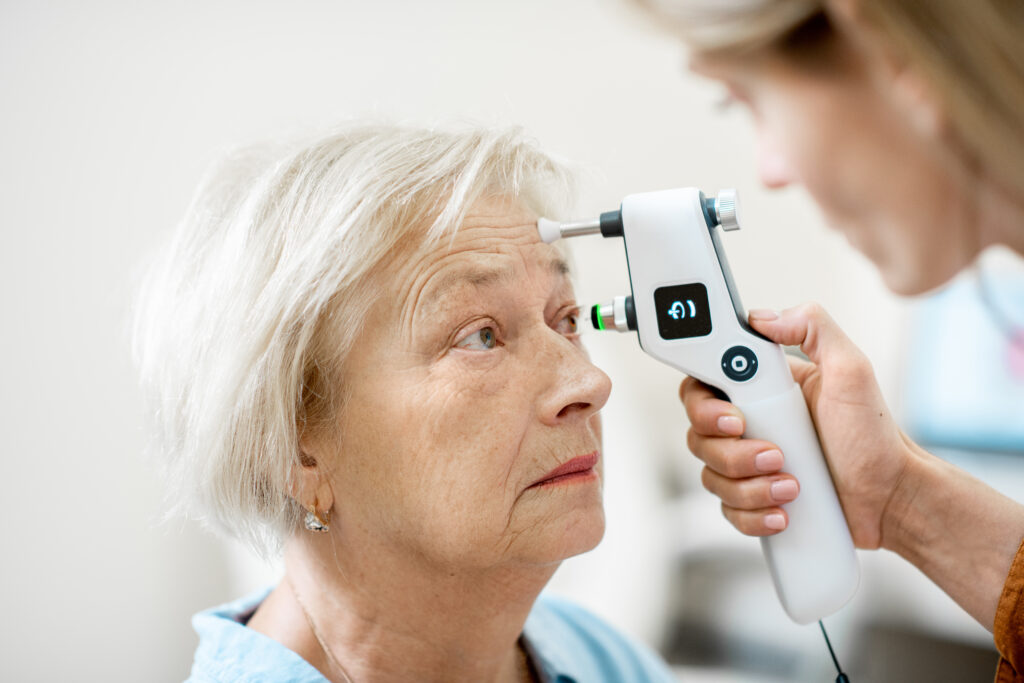
Your eye pressure reading during an exam reveals more than you might think. While most people associate intraocular pressure (IOP) with glaucoma screening, these numbers actually provide insights into various aspects of your eye health. Normal eye pressure typically ranges from eight to 21 millimeters of mercury (mmHg), but what matters most is what’s normal for you. Changes in your baseline pressure, even within the normal range, can signal developing conditions that need attention before they affect your vision.
At Vision Source Mandan, we measure eye pressure as part of every comprehensive eye exam, using advanced tonometry techniques to ensure accurate readings. Our optometrists track your pressure readings over time, watching for patterns and changes that might indicate emerging eye health concerns. With over 75 years of experience serving Mandan and Bismarck communities, we understand how individual pressure variations affect overall eye health and when those numbers warrant closer monitoring or treatment.
What Eye Pressure Actually Measures
Eye pressure reflects the balance between fluid production and drainage within your eye. The ciliary body behind your iris continuously produces clear fluid called aqueous humor, which nourishes your cornea and lens while maintaining the eye’s shape. This fluid flows through your pupil and drains out through a meshwork of tissue where your iris meets your cornea called the angle. When production and drainage stay balanced, your eye maintains healthy pressure levels.
Problems arise when this delicate system becomes disrupted. Overproduction of fluid or blocked drainage channels cause pressure to build inside the eye. This increased pressure can damage the optic nerve, leading to vision loss if left untreated. However, pressure readings alone don’t tell the complete story. Some people develop optic nerve damage with normal pressure readings, while others maintain healthy vision despite elevated numbers. Your eye’s structure, corneal thickness, and optic nerve resilience all influence how pressure affects your individual risk for eye diseases.
Understanding your personal pressure patterns helps predict and prevent problems. Regular monitoring establishes your baseline and reveals trends over months and years. Factors like time of day, recent caffeine consumption, and even body position can cause temporary pressure fluctuations. We consider all these variables when evaluating your readings and determining whether intervention is necessary.
Conditions Beyond Glaucoma That Affect Eye Pressure
While glaucoma remains the most well-known pressure-related condition, several other eye problems can cause abnormal IOP readings. Understanding these connections helps you recognize when pressure changes might signal different underlying issues.
Eye inflammation, known as uveitis, often causes pressure fluctuations that differ from typical glaucoma patterns. This inflammation inside the eye can either increase pressure by blocking drainage or decrease it by reducing fluid production. Patients with uveitis may experience pressure swings requiring careful monitoring and anti-inflammatory treatment to prevent permanent damage.
Certain medications and systemic health conditions also influence eye pressure readings. These include:
Corticosteroid medications, whether eye drops, pills, or injections, which can raise pressure in sensitive individuals
Diabetes, which may cause pressure fluctuations due to blood vessel changes affecting fluid dynamics
High blood pressure, which correlates with slightly elevated eye pressure in some patients
Thyroid disorders that can affect the tissues around and within the eye
Previous eye injuries or surgeries that altered normal drainage pathways
Recognizing these connections helps us provide comprehensive care that addresses root causes rather than just treating numbers.
How We Monitor and Manage Abnormal Pressure
Modern technology allows us to track eye pressure with unprecedented accuracy. During your visit, we may use multiple methods to verify readings and account for factors like corneal thickness that can affect measurements. Pachymetry measures your corneal thickness, helping us adjust pressure readings for more accurate risk assessment. Thicker corneas can make pressure appear higher than it actually is, while thinner corneas may mask dangerously elevated levels.
For patients concerned with pressure patterns, we develop personalized monitoring schedules. Some individuals need quarterly checks, while others benefit from annual assessments. We also teach patients to recognize symptoms that might indicate pressure spikes between visits, such as halos around lights, eye pain, or sudden vision changes. When pressure requires treatment, we offer various options from prescription eye drops to laser procedures, always starting with the most conservative approach appropriate for your situation.
Protecting Your Vision at Vision Source Mandan
Your eye pressure numbers provide valuable information about your overall eye health, extending far beyond simple glaucoma screening. Our team at Vision Source Mandan combines state-of-the-art diagnostic equipment with decades of clinical experience to interpret these readings in context with your complete eye health picture. Dr. Brittany Schauer, Dr. Wayne Aberle, and Dr. Danielle Dyke stay current with the latest research on pressure-related eye conditions, ensuring you receive evidence-based care tailored to your individual needs.
Don’t wait for symptoms to appear before monitoring your eye pressure. Regular comprehensive exams allow us to establish your baseline and detect subtle changes that might indicate developing problems. Schedule your eye pressure evaluation today through our contact form.
Testimonials
What Our Clients Say

My annual eye exam is always an excellent experience with Dr. Danielle Dyke. The exam is always thorough, and Dr. Dyke takes the time to explain my eye health in a way I can understand. The Vision Source eye clinic is modern, clean, and the staff is very welcoming. I always feel comfortable and well-cared for at my appointment. I highly recommend Dr. Dyke and Vision Source!
Patricia G.
Dr. Schauer did an amazing job getting my eye infection cleared up. As I sat in my room waiting my turn, because I had a last minute appointment, I could hear her working with a family next door that had young kids.
Fred S.
Whenever I have had eye issues, they have made efforts to get me in asap. Which I really appreciate. I have had Dr. Aberle and Dr. Dyke and they are both excellent. Recently, I saw Dr. Aberle for a chronic eye problem in one eye & he fixed the problem. Honestly, it felt like a miracle. The office staff is also very pleasant to deal with.
Sheila S.
I've literally been a lifelong customer since 5th grade when it was Dr. Little! Dr. Schauer has taken over since Dr. Little retired. It's always a good, friendly experience with all of the staff there. I've never had a bad experience.
Bill S.
The front desk people are very nice and friendly got called in to see Wayne before my appointment time Vision Source has very friendly staff and the clinic is very clean will always be a patient to Vision Source.
Deborah C.
I was greeted by the front desk very efficiently. The person who did the first part of my history and did the testing like the little spritz in my eyes, etc, was very good. I really like my eye doctor, I feel that I get all my questions answered as well as she explains what she is seeing when she is examining my eyes.
Dolly A.
Need to Schedule an Appointment?
WE ARE Accepting New Patients
Your vision is precious—trust it to the experienced team at Vision Source Mandan, where we treat you like family
while providing the highest standard of eye care available in the Bismarck-Mandan area.
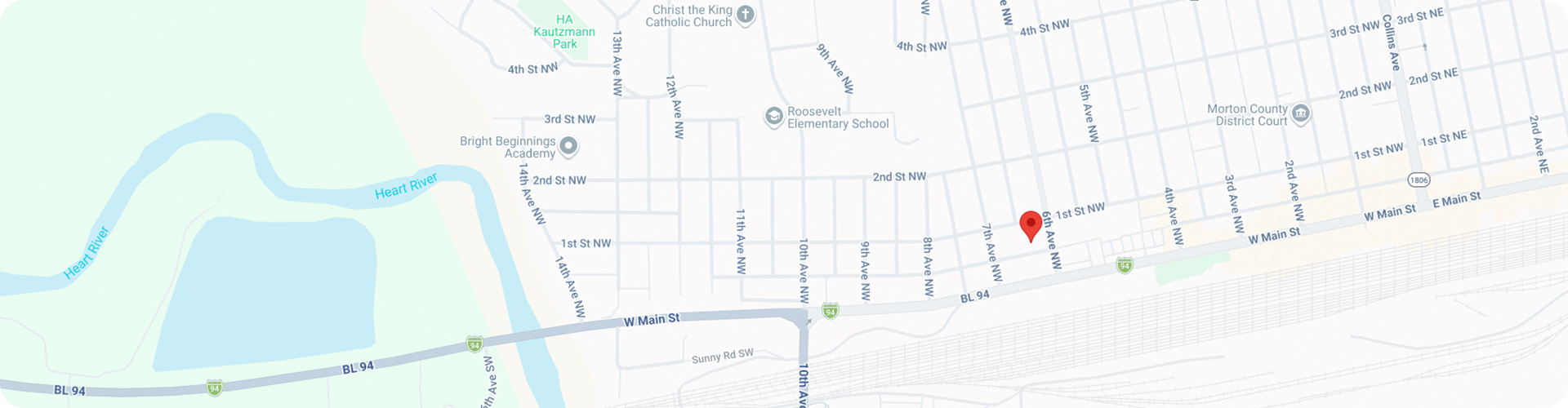
MAP


Contact Us
Office Hours
Monday 8:00am - 5:00pm
Tuesday 8:00am - 7:00pm
Wednesday 8:00am - 5:00pm
Thursday 8:00am - 5:00pm
Friday 8:00am - 1:00pm
Saturday Closed
Sunday Closed
* We are closed from 12:00 pm - 1:00pm on the 2nd Thursday of each month for a team meeting.
© 2026 Vision Source Mandan. All Rights Reserved. Accessibility Statement - Privacy Policy - Sitemap
Powered by: 