
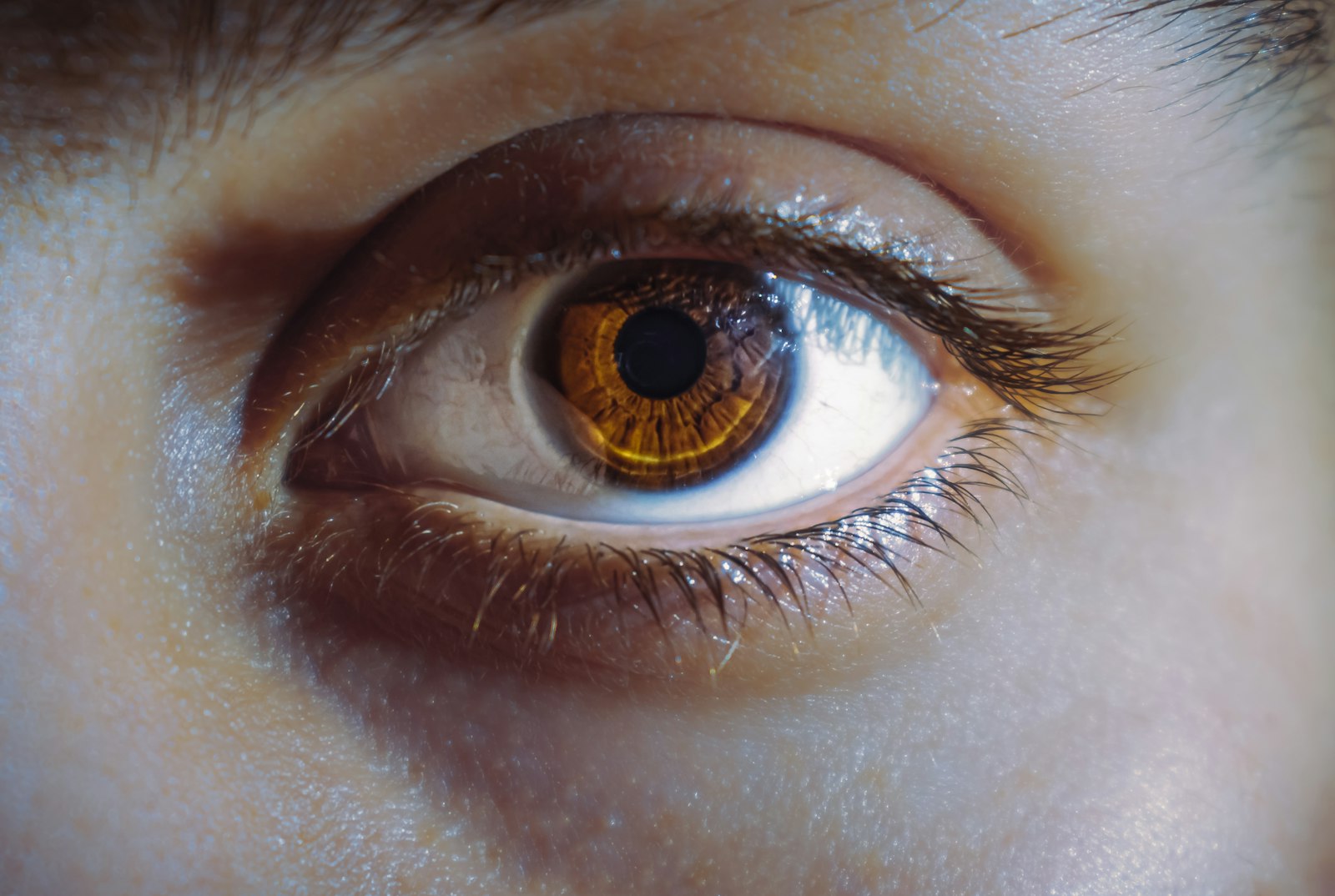
There are limits to what glasses and contact lenses can correct.
When the strongest prescriptions still leave someone unable to see clearly, they fall into the spectrum of visual impairment. Understanding this spectrum is important for everyone, not just those directly affected. Knowledge of visual impairment can empower you to assist others effectively and empathetically.
Causes of Visual Impairment
Visual impairment can stem from a variety of causes, including genetic conditions, birth defects, diseases, and injuries. Age-related degeneration and eye injuries are also common culprits, highlighting the importance of protective eyewear and healthy lifestyle choices to preserve vision. While some conditions can be corrected through surgical interventions, others may be untreatable or inevitable.
Understanding the Types of Visual Impairment
Visual impairment manifests differently from one person to another, influenced by its diverse causes. Conditions like glaucoma primarily affect peripheral vision, whereas macular degeneration impacts central vision. Visual impairments can also include issues like distorted vision, difficulty with visual perception, diplopia (double vision), and photophobia (sensitivity to light).
Defining Low Vision and Legal Blindness
The term "low vision" applies when the best-corrected visual acuity is no sharper than 20/70. This means what a person can see clearly from 20 feet away, someone with normal vision can see from 70 feet away. Legal blindness is defined as having a corrected vision of 20/200 or worse, significantly impacting a person’s ability to perform everyday tasks.
The Diverse Appearances of Blindness
Blindness varies greatly among individuals. Some are born without sight, while others lose it over time due to various causes, which may happen suddenly or gradually. Blindness can range from a total lack of visual perception to some ability to perceive light and shapes. Not all forms of blindness are visually apparent to others.
How to Offer Appropriate Assistance
Treating everyone with respect and dignity is paramount. When interacting with a visually impaired person, start with a polite greeting and introduction, then ask if they need assistance before assuming they do. If they accept help:
- Ask where they prefer you to stand and match their pace while walking.
- Describe any upcoming obstacles or changes in terrain.
- In their home, place items exactly where they ask so they can easily locate them later.
- Avoid distracting guide dogs as they are performing critical tasks.
Maintaining Eye Health
With advancements in medical research and technology, the hope is that more forms of visual impairment will become treatable. However, this possibility should not deter anyone from maintaining good eye health through regular exams and protective measures. Always approach interactions with individuals who are visually impaired with helpfulness rather than pity.
A Commitment to Accessibility and Inclusivity
As we observe Blindness Awareness Month, let's commit to enhancing our understanding of visual impairments and to fostering environments that support accessibility and inclusivity for all. Keep learning and stay proactive about your eye health.
Always extend kindness and support to those experiencing visual impairments.
The content on this blog is not intended to be a substitute for professional medical advice, diagnosis, or treatment. Always seek the advice of qualified health providers with questions you may have regarding medical conditions.
Testimonials
What Our Clients Say

My annual eye exam is always an excellent experience with Dr. Danielle Dyke. The exam is always thorough, and Dr. Dyke takes the time to explain my eye health in a way I can understand. The Vision Source eye clinic is modern, clean, and the staff is very welcoming. I always feel comfortable and well-cared for at my appointment. I highly recommend Dr. Dyke and Vision Source!
Patricia G.
Dr. Schauer did an amazing job getting my eye infection cleared up. As I sat in my room waiting my turn, because I had a last minute appointment, I could hear her working with a family next door that had young kids.
Fred S.
Whenever I have had eye issues, they have made efforts to get me in asap. Which I really appreciate. I have had Dr. Aberle and Dr. Dyke and they are both excellent. Recently, I saw Dr. Aberle for a chronic eye problem in one eye & he fixed the problem. Honestly, it felt like a miracle. The office staff is also very pleasant to deal with.
Sheila S.
I've literally been a lifelong customer since 5th grade when it was Dr. Little! Dr. Schauer has taken over since Dr. Little retired. It's always a good, friendly experience with all of the staff there. I've never had a bad experience.
Bill S.
The front desk people are very nice and friendly got called in to see Wayne before my appointment time Vision Source has very friendly staff and the clinic is very clean will always be a patient to Vision Source.
Deborah C.
I was greeted by the front desk very efficiently. The person who did the first part of my history and did the testing like the little spritz in my eyes, etc, was very good. I really like my eye doctor, I feel that I get all my questions answered as well as she explains what she is seeing when she is examining my eyes.
Dolly A.
Need to Schedule an Appointment?
WE ARE Accepting New Patients
Your vision is precious—trust it to the experienced team at Vision Source Mandan, where we treat you like family
while providing the highest standard of eye care available in the Bismarck-Mandan area.
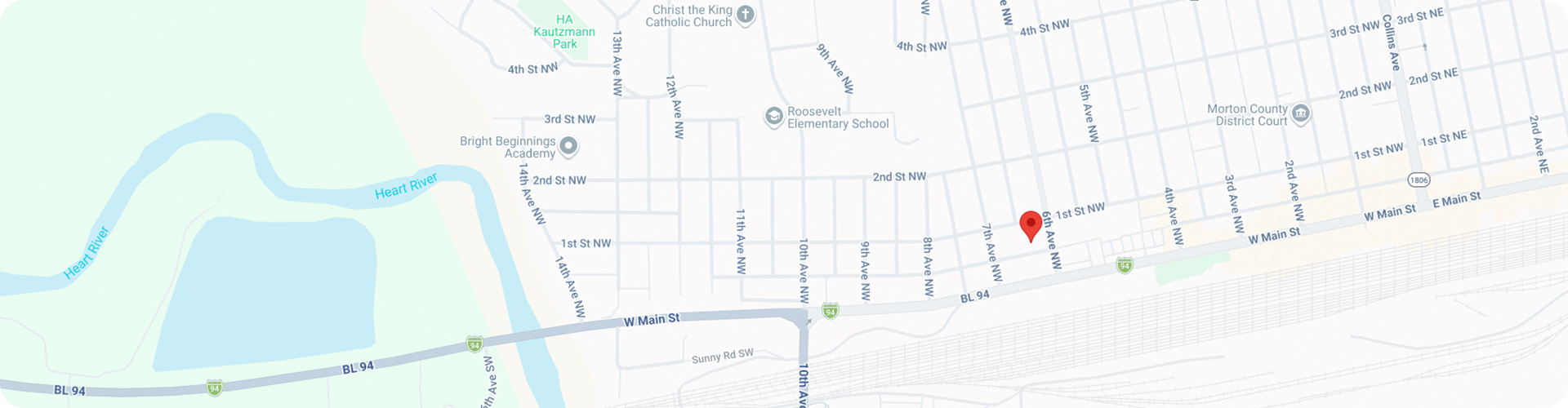
MAP


Contact Us
Office Hours
Monday 8:00am - 5:00pm
Tuesday 8:00am - 7:00pm
Wednesday 8:00am - 5:00pm
Thursday 8:00am - 5:00pm
Friday 8:00am - 1:00pm
Saturday Closed
Sunday Closed
* We are closed from 12:00 pm - 1:00pm on the 2nd Thursday of each month for a team meeting.
© 2026 Vision Source Mandan. All Rights Reserved. Accessibility Statement - Privacy Policy - Sitemap
Powered by: 