

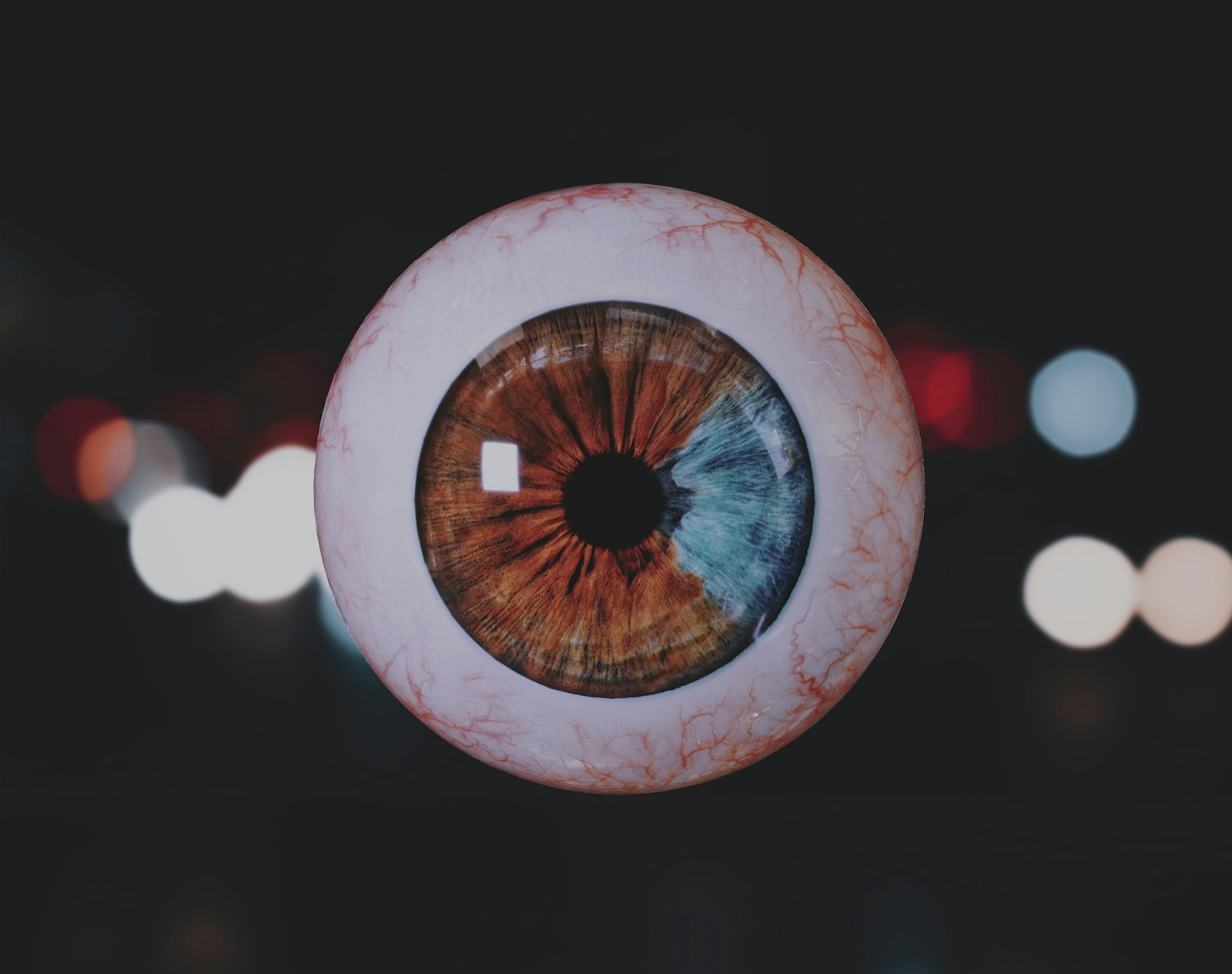
When most people hear "color blindness," they imagine a world drained of all color.
This common misconception of eyesight like a black-and-white movie couldn't be further from the truth. In reality, complete color blindness is extremely rare, and most people with color vision deficiencies see the world in vivid color. They just see it differently than those with typical color vision.
Understanding Color Vision Deficiency
Color blindness, more accurately called color vision deficiency, affects approximately 1 in 12 men and 1 in 200 women worldwide. The condition occurs when light-sensitive cells in the retina, called cones, don't work properly. These cones help us distinguish between different colors, and problems with them can make certain colors harder to tell apart.
Types of Color Blindness
The most common form is red-green color blindness, which makes it difficult to distinguish between reds, greens, browns, and oranges. People with this type might struggle to tell if a banana is ripe or have trouble reading red text on a green background. Blue-yellow color blindness is less common and affects the ability to differentiate between blues and greens, as well as yellows and reds.
Complete color blindness, called achromatopsia, is incredibly rare. People with this condition see only in shades of gray, but it affects fewer than 1 in 30,000 people. They also typically have other vision problems, including extreme light sensitivity and reduced visual sharpness.
What Causes Color Blindness?
Most color vision deficiencies are inherited and passed down through families, particularly from mothers to sons. However, color blindness can also develop later in life due to eye diseases, aging, medications, or exposure to certain chemicals. This acquired color blindness often affects just one eye and may improve if the underlying condition is treated.
Living with Color Vision Deficiency
While there's currently no cure for inherited color blindness, people adapt remarkably well. Many learn to use other cues like brightness, position, and context to identify colors. Traffic lights, for instance, are positioned the same way everywhere, so drivers learn that the top light means stop, regardless of how they perceive the color.
New Solutions and Technologies
Recent advances have brought new options for managing color vision deficiencies. Special tinted glasses and contact lenses can enhance color discrimination for some people, though results vary. Smartphone apps can also help identify colors in real-time, and many digital devices now include accessibility features designed for color vision deficiencies.
Getting Tested
If you suspect you or your child might have color vision issues, a comprehensive eye exam can provide answers. We use specialized tests, like the Ishihara color plates, to identify color vision deficiencies. Early detection is particularly important for children, as undiagnosed color blindness can affect learning and classroom performance.
Creating an Inclusive World
Understanding color vision deficiency helps create a more inclusive world. Simple changes like labeling colored items, using patterns in addition to colors, and choosing color combinations that work for everyone can make a significant difference. Color blindness may change how someone sees the world, but it doesn't diminish the vibrancy of their experience. By understanding these differences, we can better support those who navigate the world through a different spectrum of sight.
Could you benefit from a color blindness test?
The content on this blog is not intended to be a substitute for professional medical advice, diagnosis, or treatment. Always seek the advice of qualified health providers with questions you may have regarding medical conditions.
Testimonials
What Our Clients Say

My annual eye exam is always an excellent experience with Dr. Danielle Dyke. The exam is always thorough, and Dr. Dyke takes the time to explain my eye health in a way I can understand. The Vision Source eye clinic is modern, clean, and the staff is very welcoming. I always feel comfortable and well-cared for at my appointment. I highly recommend Dr. Dyke and Vision Source!
Patricia G.
Dr. Schauer did an amazing job getting my eye infection cleared up. As I sat in my room waiting my turn, because I had a last minute appointment, I could hear her working with a family next door that had young kids.
Fred S.
Whenever I have had eye issues, they have made efforts to get me in asap. Which I really appreciate. I have had Dr. Aberle and Dr. Dyke and they are both excellent. Recently, I saw Dr. Aberle for a chronic eye problem in one eye & he fixed the problem. Honestly, it felt like a miracle. The office staff is also very pleasant to deal with.
Sheila S.
I've literally been a lifelong customer since 5th grade when it was Dr. Little! Dr. Schauer has taken over since Dr. Little retired. It's always a good, friendly experience with all of the staff there. I've never had a bad experience.
Bill S.
The front desk people are very nice and friendly got called in to see Wayne before my appointment time Vision Source has very friendly staff and the clinic is very clean will always be a patient to Vision Source.
Deborah C.
I was greeted by the front desk very efficiently. The person who did the first part of my history and did the testing like the little spritz in my eyes, etc, was very good. I really like my eye doctor, I feel that I get all my questions answered as well as she explains what she is seeing when she is examining my eyes.
Dolly A.

Need to Schedule an Appointment?
WE ARE Accepting New Patients
Your vision is precious—trust it to the experienced team at Vision Source Mandan, where we treat you like family
while providing the highest standard of eye care available in the Bismarck-Mandan area.
MAP



Contact Us
Office Hours
Monday 8:00am - 5:00pm
Tuesday 8:00am - 7:00pm
Wednesday 8:00am - 5:00pm
Thursday 8:00am - 5:00pm
Friday 8:00am - 1:00pm
Saturday Closed
Sunday Closed
* We are closed from 12:00 pm - 1:00pm on the 2nd Thursday of each month for a team meeting.
© 2026 Vision Source Mandan. All Rights Reserved. Accessibility Statement - Privacy Policy - Sitemap
Powered by: 